

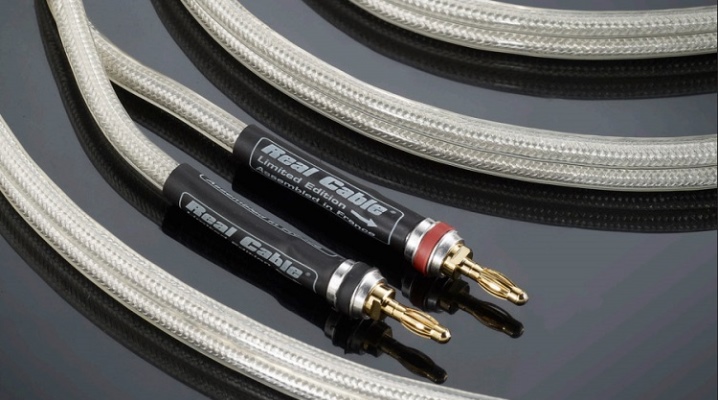
The first thing you need to do is measure the length of the Coaxial Speaker Cable you need. Measure from the receiver to the speakers and repeat the process twice or three times to make sure the measurement is correct. If necessary, add a few extra feet to the length in order to accommodate any error in measurement. Next, you need to strip the insulation coating from the Coax Cable, but be careful not to damage it.
Dielectric insulators
The coaxial speaker cable has several components that are responsible for sound quality. For example, the shield on the exterior of the cable shields the signal from radio waves that could interfere with the sound. The insulator between the shield and the core wire is another important component of this cable.
To remove the insulation from a coaxial speaker cable, start by cutting the wire with a utility knife. You can also use a razor blade. Next, carefully cut the cable into pieces, leaving the least amount of exposed space possible. The longer the exposed part of the cable, the more signal will be lost. Afterward, strip the insulation from the coaxial speaker cable, being careful not to damage it in the process.
Inner metal conductor
A coaxial speaker cable is a type of cable used to connect speaker equipment with a receiver. It contains four important components: the inner metal conductor, shielding, tip, and insulator. The inner metal conductor is copper-based and has a protective outer layer. The tip is also called the ground of the coaxial cable. Most coaxial speaker cable core wire components are made of copper, although copper-plated steel is also a popular material for the center conductor.
One of the drawbacks of using a coaxial speaker cable is that it’s not ideal for long distances. The longer a cable is, the higher its speed may fluctuate. In addition, long cables are expensive to install. If you’re installing your cable over a long distance, you’ll need to measure the distance between the receiver and speakers to get an accurate reading.
Copper shielding
If you’re looking to connect your speakers to your amplifier, coax speaker cables are the way to go. They are inexpensive and convenient to use. But before you start cutting and stripping the cable, be sure to understand how copper shielding works. It’s a protective coating that protects the copper wire from outside interference.
The shield is made of twisted copper wire, which may be silver-plated for extra protection. In some better-rated cables, the shielding can have two or four layers. This helps reduce losses while improving productivity. Because the shielding increases the thickness of the wire, it makes it less elastic, which helps reduce the amount of resistance.
Dual connections
If you’re looking to connect two speakers, consider purchasing a coaxial speaker cable. It features dual connections, which improve the quality of sound and signal. Dual connections are better than single connections because they deliver higher bandwidth and have less resistance. They also offer extra durability and robustness. Coaxial cables are typically more expensive than other speaker cables.
Coax speaker cables to come in many types. Some are flexible, while others are semi-rigid. The semi-rigid type provides better shielding and less interference. Both flexible and rigid coax cables are suitable for home theaters, but you should choose the one that’s right for you. In addition, there are several types of coax cables available, including Triax, dual coaxial, and twin axial.
Wide range of gauges
Coaxial speaker cable is available in several gauges for different types of connections. The highest grade is known as Super Quad and it is designed for high-performance speaker systems. This cable features four OFC copper 12 gauge conductors and advanced polypropylene insulating material. It provides power and control for maximum performance even over long distances.
The best way to measure the run of the speaker wire is to run a string from the source to the speakers. This method works for both outdoor and indoor speakers. Once you know the distance, you can determine the appropriate wire gauge. A general rule of thumb is to buy a bit more than you think you will need.
Optical connection
An optical connection for a coaxial speaker cable is a type of speaker cable that uses an optical signal to transmit and receive sound. This connection is usually found in the positive end of a speaker. The optical port is protected by a protective door that is moved out of the way as the cable is inserted. Once the cable is inserted, a red light will illuminate the port.
An optical connection is a better option for long-distance connections. The coaxial connection loses signal strength over long distances, which is not ideal for high-resolution audio. In addition, coaxial cables do not support high-resolution surround lossless audio formats and are less resistant to interference.