

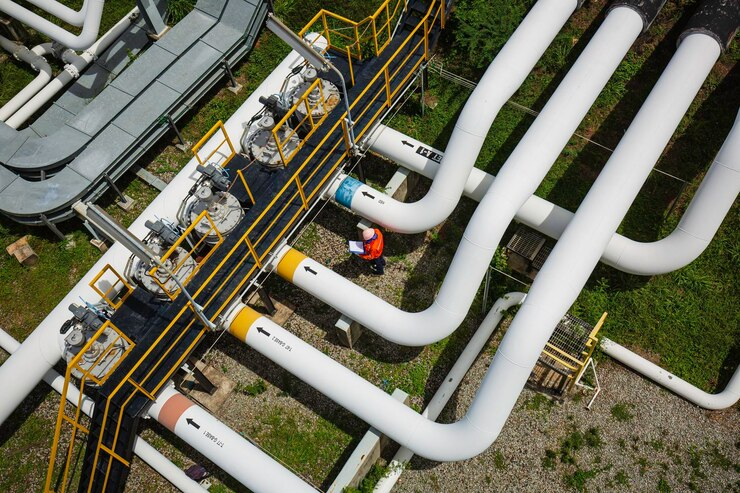
In the intricate web of global development, energy serves as the backbone, powering economies and fueling progress. Within this context, energy pipelines emerge as unsung heroes, quietly transporting the lifeblood of modern civilization.
This article delves into the critical role that energy pipelines play in sustaining development, examining their significance, challenges, and the evolving landscape of energy transportation.
The Silent Workhorses: Energy Pipelines Unveiled
Energy pipelines are the silent workhorses that facilitate the movement of oil, natural gas, and other vital energy resources across vast distances. These extensive networks crisscross continents, linking production centers to distribution hubs and, ultimately, to consumers.
The efficiency and reliability of energy pipelines make them a preferred mode of energy transportation, ensuring a steady supply to meet the ever-growing demands of industrial, commercial, and residential sectors.
Security and Reliability: Pillars of Pipeline Infrastructure
The reliability of energy pipelines is a cornerstone of global energy security. Unlike other modes of transportation, such as shipping or trucking, pipelines offer a dedicated and secure channel for the movement of energy resources. This not only minimizes the risk of disruptions but also enhances the overall stability of energy supplies.
In regions heavily dependent on imported energy resources, the security of energy pipelines becomes paramount. Political tensions, conflicts, or geopolitical shifts can impact traditional supply routes, leading to energy shortages and price volatility.
Energy pipelines, however, provide a level of insulation against such uncertainties by establishing direct and often underground connections between suppliers and consumers.
Economic Impact: Fueling Growth and Prosperity
The economic impact of energy pipelines extends beyond the mere transportation of resources. These pipelines serve as conduits for economic growth, job creation, and increased investment in both producing and consuming regions.
The construction and maintenance of pipeline infrastructure generate employment opportunities, fostering economic development in areas that may otherwise struggle.
Moreover, the reliability of energy supply facilitated by pipelines contributes to the stability of energy prices. Predictable energy costs create a conducive environment for businesses to plan and invest with confidence, further supporting economic growth.
Countries with well-established pipeline networks often experience enhanced competitiveness, attracting industries that rely on a stable and affordable energy supply.
Environmental Considerations: Balancing Act for Sustainable Development
While energy pipelines offer undeniable benefits for development, their impact on the environment cannot be ignored. Pipeline construction and operation can lead to habitat disruption, soil erosion, and the potential for spills or leaks that may harm ecosystems.
Striking a balance between reaping the benefits of energy pipelines and mitigating their environmental footprint is crucial for sustainable development.
Technological advancements and stringent regulations have played a pivotal role in minimizing the environmental impact of pipelines. Innovations in pipeline design, monitoring systems, and leak detection technologies contribute to safer and more eco-friendly operations.
Additionally, the development of alternative energy sources and cleaner technologies serves as a complementary strategy to address environmental concerns associated with traditional energy pipelines.
Challenges and Controversies: Navigating the Terrain
Despite their indispensable role in development, energy pipelines often find themselves at the center of controversies and face multifaceted challenges. Public opposition to pipeline projects, concerns about safety, and debates over land use rights are common hurdles that can impede their construction and expansion.
One significant challenge is the need to navigate through diverse terrains, including ecologically sensitive areas, densely populated regions, and international borders. Balancing the interests of various stakeholders, from local communities to environmental advocacy groups, requires careful planning, transparent communication, and, in some cases, compromises.
Moreover, the global transition towards renewable energy sources poses a unique challenge to the future of traditional energy pipelines. As countries increasingly shift focus towards greener alternatives, the demand for fossil fuels may decrease, affecting the economic viability of new pipeline projects. Adapting to this changing landscape necessitates strategic planning and a forward-thinking approach by stakeholders in the energy sector.
The Evolving Landscape: Adapting to Change
As the world grapples with the challenges of climate change and a growing awareness of environmental sustainability, the energy landscape is undergoing a transformation. This shift has prompted a reevaluation of the role of traditional energy pipelines and a renewed emphasis on embracing cleaner, more sustainable alternatives.
Investments in renewable energy infrastructure, such as solar power and wind farms, are gaining momentum, challenging the conventional dominance of fossil fuels. The integration of these renewable sources into existing energy grids requires innovative approaches to energy transportation, presenting an opportunity for the evolution of pipeline networks.
Additionally, advancements in hydrogen and other alternative fuels are reshaping the conversation around energy transportation. Hydrogen pipelines, for example, are emerging as a potential solution for transporting this versatile and clean energy carrier. The integration of such technologies into existing pipeline infrastructure signifies a proactive response to the changing dynamics of the energy landscape.
Conclusion
In the grand tapestry of global development, energy pipelines stand out as unsung heroes, silently weaving connections that power progress. Their reliability, economic impact, and role in ensuring energy security cannot be overstated.
However, as we navigate the complexities of the 21st century, environmental considerations, evolving technologies, and the rise of renewable energy sources compel us to rethink the future of energy pipelines.