

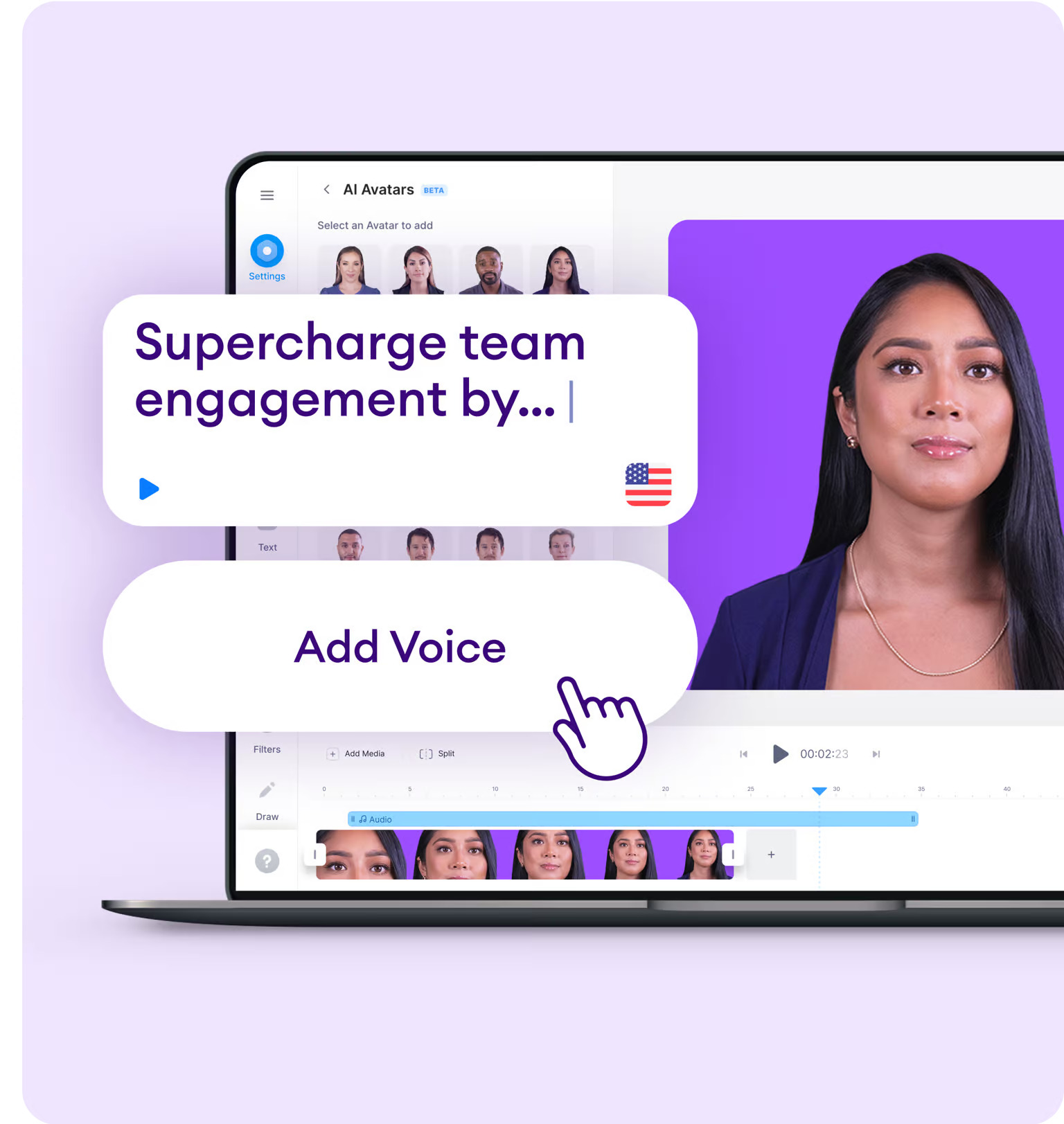
In the dynamic intersection of artificial intelligence and audio technologies, the collaborative synergy between text-to-audio converters and AI voice generators is reshaping how we engage with digital content. Text-to-audio converters, also known as text-to-speech systems, bring written words to life by converting them into spoken form, offering enhanced accessibility for individuals with visual impairments and enriching multitasking capabilities. The fusion with AI voice generators, powered by deep learning algorithms, elevates the auditory experience by infusing human-like nuances and emotion into the generated voices. This powerful alliance finds applications across industries, from education to entertainment, transforming learning materials, presentations, and more into immersive audio formats.
However, challenges persist, including the quest for perfect replication of human intonation and ethical concerns related to authenticity and privacy. Despite these challenges, the transformative impact of this collaboration is undeniable, ushering in a future where digital content consumption becomes a richer and more engaging experience.
The Rise of Text-to-Audio Converters
Text-to-speech (TTS) systems, also called text-to-audio converters, have enormously advanced these days. With the ability to convert written textual content into audible speech, those tools provide a practical and compelling audio experience. The journey of a reader can now extend beyond the visual realm, embracing the richness of sound.
One of the primary advantages of text to voice ai is accessibility. These tools break down barriers for individuals with visual impairments, offering them an alternative means of consuming written content. Moreover, they enhance multitasking capabilities, allowing users to listen to articles, books, or other textual content while commuting, exercising, or engaging in various activities.
The Role of AI Voice Generators
AI voice generators complement text-to-audio converters by adding a layer of sophistication to the generated voices. Powered by deep learning algorithms, these generators produce voices that sound remarkably human, offering a nuanced and expressive delivery. The ability to infuse emotion into the spoken word contributes to a more immersive and engaging experience for the listener.
The AI voice generators go beyond mere conversion; they adapt to the context and tone of the content, ensuring that the auditory experience aligns with the intended message. This adaptability is especially crucial in scenarios where conveying emotion or maintaining a specific tone is paramount, such as in audiobooks, podcasts, or voiceovers for videos.
Synergy in Action: Converting Written Content into Immersive Audio
The collaboration between text-to-audio converters and AI voice generators is transformative. Together, they convert written words into dynamic audio experiences. The process starts with the text-to-audio converter, translating written content into baseline audio. AI voice generators then add authenticity, emotion, and natural cadence. This synergy is evident in digital content creation, breathing life into podcasts, audiobooks, and educational materials. The immersive nature of audio content enhances engagement, captivating listeners in ways traditional written content cannot.
Applications Across Industries
The collaborative capabilities of text-to-audio converters and AI voice generators extend across various industries, offering a versatile range of applications.
- E-Learning Advancements:
- Text-to-audio converters and AI voice generators play a pivotal role in e-learning.
- They facilitate the creation of interactive and engaging educational content.
- Learners can absorb information seamlessly through auditory channels, enhancing the overall educational experience.
- Corporate Transformation:
- In the corporate world, these technologies reshape the way information is presented.
- Presentations and reports can be transformed into compelling audio formats.
- This adaptation enables busy professionals to stay informed on the go, fostering convenience and accessibility.
- Entertainment Evolution:
- The collaboration of text-to-audio converters and AI voice generators introduces groundbreaking possibilities in storytelling.
- Audiobooks and podcasts, in particular, benefit from the ability to craft narratives with voices that bring characters and scenes to life.
- This enriches the overall listening experience, opening new frontiers in the entertainment sector.
Challenges and Considerations
While the collaboration between text-to-audio converters and AI voice generators offers remarkable possibilities, challenges persist. Ensuring natural intonation, overcoming pronunciation issues, and refining the expressiveness of generated voices remain areas for improvement. Additionally, the ethical use of AI-generated voices raises questions about authenticity and responsible content creation.
Privacy concerns also emerge as the replication of human voices with AI technology raises the potential for misuse, such as deepfake audio. Striking a balance between innovation and ethical considerations is crucial as these technologies continue to evolve.
Conclusion
The marriage of text-to-audio converters and AI voice generators marks a transformative moment in the way we consume and interact with written content. As these technologies advance, they not only enhance accessibility but also redefine the boundaries of storytelling, education, and communication. The synergy between these tools unlocks a world where words transcend the confines of text, becoming dynamic and immersive auditory experiences. While challenges persist, the potential for positive impact across industries is undeniable. As we navigate the evolving landscape of AI-driven audio technologies, a careful balance between innovation and ethical considerations will shape the future of content consumption in ways we are only beginning to imagine.