

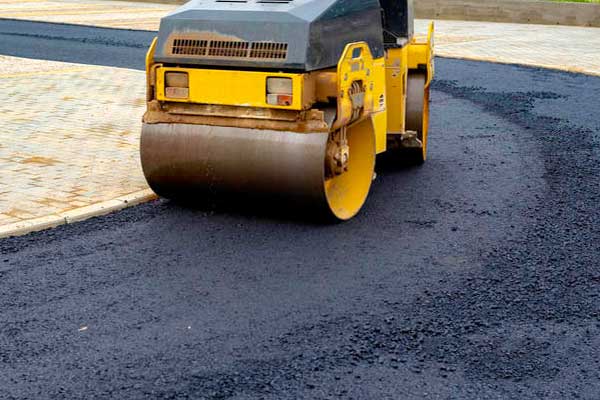
Building a road that stays strong, smooth, and reliable for years begins long before the final layer of asphalt is poured. Every durable roadway starts with one essential principle: proper compaction. An asphalt compactor plays a vital role in achieving this stability by transforming loose materials into a tightly bonded structure that can withstand heavy use and environmental stress. From the earliest base layers to the final surface, every pass of the compactor contributes to the lifespan and performance of the road.
Why Compaction Matters In Road Construction?
Compaction is the process of removing air pockets and increasing the density of soil, aggregate, or asphalt. Without adequate compaction, a road is highly vulnerable to premature damage, including cracking, rutting, shifting, and water penetration. When an asphalt compactor compresses each layer correctly, it strengthens the foundation and ensures that the pavement can support the weight of vehicles without deforming. This stability becomes even more important in areas with fluctuating temperatures, heavy truck traffic, or frequent rainfall. Simply put, compaction is what transforms raw materials into a durable roadway.
Preparing The Base Layer For Stability
A strong road always begins with a stable base. Before the asphalt is even applied, the compactor is brought in to create a uniform and solid foundation using materials like crushed stone or gravel. The compactor eliminates voids and ensures that the base layer is evenly packed, preventing settling or shifting over time. Uneven or poorly compacted base material can lead to dips, potholes, or structural failure, even if the surface asphalt appears properly installed. By establishing a consistent density from the ground up, the Volvo asphalt compactor helps the entire pavement system perform as intended.
How Asphalt Compactors Work Throughout The Layering Process?
As the road crew begins applying the asphalt layers, the compactor takes on an even more central role. Hot asphalt contains bitumen and aggregates that must be compressed before they cool to create a long-lasting bond. The compactor performs several passes, each with a specific purpose. The initial breakdown pass begins shaping the layer, the intermediate pass increases density and reduces voids, and the final pass creates a smooth, uniform finish. Each phase of this rolling process affects the final strength and appearance of the road. Missing or rushing any step can compromise the entire structure.
The Importance Of Even Density Across The Surface
One of the reasons compactors are essential in road construction is their ability to ensure consistent density across large areas. Roads must withstand not only straight-line travel but also braking, turning, and heavy commercial loads. If the density varies from one part of the surface to another, certain sections may deteriorate faster. An asphalt compactor helps achieve the level of uniformity necessary for long-term performance, reducing the risk of cracks or weak spots that develop into costly repairs. Professional crews rely on the precision of modern compactors to deliver results that meet engineering standards.
Smart Compaction Technology Enhances Accuracy
Today’s asphalt compactors increasingly include intelligent compaction systems that track compaction levels, temperature, and roller position in real time. These digital tools help operators maintain precise control over the process, ensuring each layer meets the required density. By identifying soft spots early, crews can correct them before the road surface is completed. This technology not only improves quality but also reduces the likelihood of future maintenance needs. Smart compactors improve durability from the foundation layer to the finished product by maximizing each pass.
How Proper Compaction Extends Road Lifespan?
Roads face constant stress from traffic, weather, and environmental changes. A properly compacted road resists these forces far better than one with uneven or insufficient density. Compaction reduces the risk of water infiltration, which is one of the primary causes of pavement deterioration. It also prevents the formation of air pockets that lead to cracking under heavy loads. When the foundation and asphalt layers are thoroughly compacted, the pavement stays smoother, stronger, and more resistant to long-term wear, significantly extending its lifespan.
Ensuring A Smooth And Safe Driving Experience
Beyond durability, proper compaction also improves the driving experience. A well-compacted road offers better traction, reduces vibration, and creates a quieter ride for motorists. Over time, this contributes to safety and reduces maintenance costs for both road authorities and vehicle owners. Smoothness is not just aesthetic; it is a direct reflection of the strength and structural integrity of the road. Asphalt compactors provide the consistency needed to achieve this quality finish.
Final Thought
From the earliest foundation to the final surface layer, an asphalt compactor is indispensable in building roads that last. Its ability to increase density, eliminate weak points, and shape a smooth finish determines the long-term durability of the pavement. When compaction is performed correctly, every part of the roadway works together to resist wear, weather, and traffic. By prioritizing precise compaction at every stage, road builders can deliver infrastructure that remains strong and reliable for years to come.