


Maintaining the integrity and appearance of your floors is essential not only for aesthetic appeal but also for the long-term health of your home’s structure. Investing in regular floor refinishing helps restore your flooring and protect it from daily wear, improving its overall durability and value. Knowing the right time and methods for refinishing ensures your floors always look their best and remain structurally sound.
Floor refinishing removes imperfections, rejuvenates tired flooring, and creates a protective barrier that withstands the rigors of daily life. This preventive measure can save homeowners from costly repairs or replacements in the future. Addressing wear before it escalates extends your flooring’s lifespan and maintains a comfortable, beautiful environment.
While refinishing is key to maintaining floors, a clean and organized home also contributes to a longer-lasting, healthier living space. For a holistic approach to maintaining your home’s beauty and value, consider consistent home cleaning services to keep every surface spotless and preserved.
Understanding Floor Refinishing
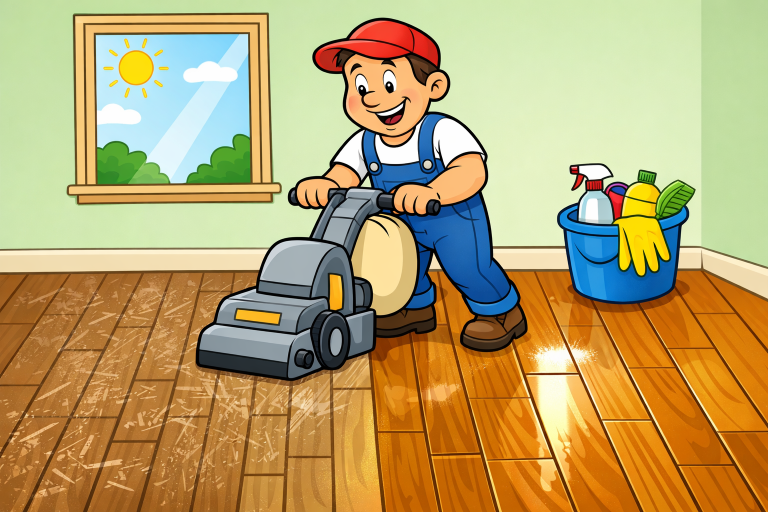
Floor refinishing involves sanding hardwood, engineered wood, or other floors to remove scratches, stains, and surface damage. Afterward, a finish or sealant is applied to protect and rejuvenate the surface. This process is especially effective for hardwood floors, which can be refinished multiple times. Techniques vary based on floor type and desired results. It also offers a chance to evaluate and repair the subfloor, such as filling gaps, replacing damaged planks, or fixing squeaks, ensuring the floor looks good and functions well. In older homes, this is crucial as floorboards may shift or warp over time, and fixing these issues during refinishing can improve the home’s overall quality.
Benefits of Regular Refinishing
- Increased Durability. Refinished floors are less vulnerable to moisture, spills, and everyday traffic thanks to a renewed protective coating.
- Enhanced Appearance. The process restores the original luster and color of wood, helping rooms look brighter and cleaner.
- Cost Savings. Preventative care through refinishing helps you avoid premature replacements, saving substantial money over time.
Quality floor refinishing boosts your home’s overall look while saving costs in the long run. According to Better Homes & Gardens, regular refinishing prevents serious damage that could otherwise necessitate expensive repairs.
Aside from financial savings, regularly refinishing your floors can also have health benefits. By sealing worn surfaces and eliminating deeply embedded grime, allergens, and dust, you can create a cleaner indoor environment for your family and guests. For those with allergies or respiratory sensitivities, this improvement in air quality can be especially beneficial. Clean, sealed floors are much easier to sanitize and maintain, reducing unwanted buildup and helping keep a home healthy.
Factors Affecting Refinishing Longevity
How often you need to refinish your floors depends on several key factors:
- Type and Quality of Finish. Modern polyurethane or aluminum oxide finishes offer more durability than traditional wax or oil-based options.
- Foot Traffic and Usage. High-traffic areas in busy households wear out faster than low-traffic rooms, requiring more frequent maintenance.
- Cleaning Habits. Keeping grit and debris off surfaces extends the life of your finish, as abrasive particles can steadily wear it down.
- Environmental Factors. Excess humidity or dryness can warp wood, affecting both the floor and the finish’s durability.
Another important factor to consider is exposure to sunlight, which can cause certain types of wood and finishes to fade over time. Depending on the orientation of your windows and the type of window coverings you use, you may notice more rapid fading or discoloration in some areas of your floor than others. Area rugs, blinds, or UV-blocking windows can help mitigate uneven aging and keep your floors looking fresh longer.
Maintenance Tips to Extend Floor Life
To maximize how long your refinished floors last, consider these expert-suggested strategies:
- Place felt pads under furniture legs to reduce scuffing and scratching.
- Use gentle cleaning solutions designed for hardwood or recommended by the manufacturer. Avoid excessive moisture, which can cause damage over time.
- Clean regularly by sweeping, dust-mopping, or vacuuming with a hardwood-safe attachment.
- Lay down area rugs in high-traffic zones to protect finishes while adding visual interest to your décor.
Another effective way to protect your floors is to implement a no-shoes policy in your home, which can drastically reduce the grit and grime tracked indoors. Regularly addressing small spills and promptly wiping up moisture will also help prevent water stains or warping, especially in homes with children or pets. By developing these simple routines, you are investing in the ongoing beauty and performance of your floors.
When to Consider Refinishing
Knowing when it is time to refinish your floor can prevent more severe wear and maintain property value. Common signs include:
- Visible scratches, gouges, or surface damage that regular cleaning cannot remedy.
- Fading, dullness, or uneven sheen after years of use.
- Patches where the protective finish is worn away, leaving wood exposed.
- Persistent discoloration from sunlight or spills.
Professional assessment is always valuable if you are unsure. Timely intervention can help you avoid the need for full floor replacement.
In some cases, if the floor is too thin from previous refinishing or has structural issues, a professional may recommend replacement instead. However, many floors, especially quality hardwood, can be rejuvenated multiple times, making refinishing a high-value option for most homeowners. Schedule periodic inspections to spot issues early and develop a proactive maintenance plan tailored to your specific flooring type and usage patterns.
Choosing the Right Professional
Hiring a skilled floor refinishing contractor is essential for safety and quality. Evaluate candidates based on experience, testimonials, proper licensing, and insurance. Contracts should be clear and detailed, covering services and costs. Inquire about the products used, eco-friendly options, and dustless sanding equipment for minimizing airborne particles. A contractor who emphasizes communication and transparency will enhance your satisfaction and protect your investment.
Conclusion
Taking a proactive approach to floor refinishing preserves the function and beauty of your floors, helping them last for years. Understanding the process, benefits, and maintenance strategies empowers homeowners to make informed choices. Whether revitalizing aging hardwood or protecting new floors, periodic refinishing maintains their support, beauty, and adds value. Choosing the right professionals, understanding your flooring’s needs, and following maintenance practices ensures resilient, stunning floors that improve comfort and home appeal. A freshly refinished floor is a worthwhile investment in aesthetics and longevity. Regular refinishing can transform every room in your home.