

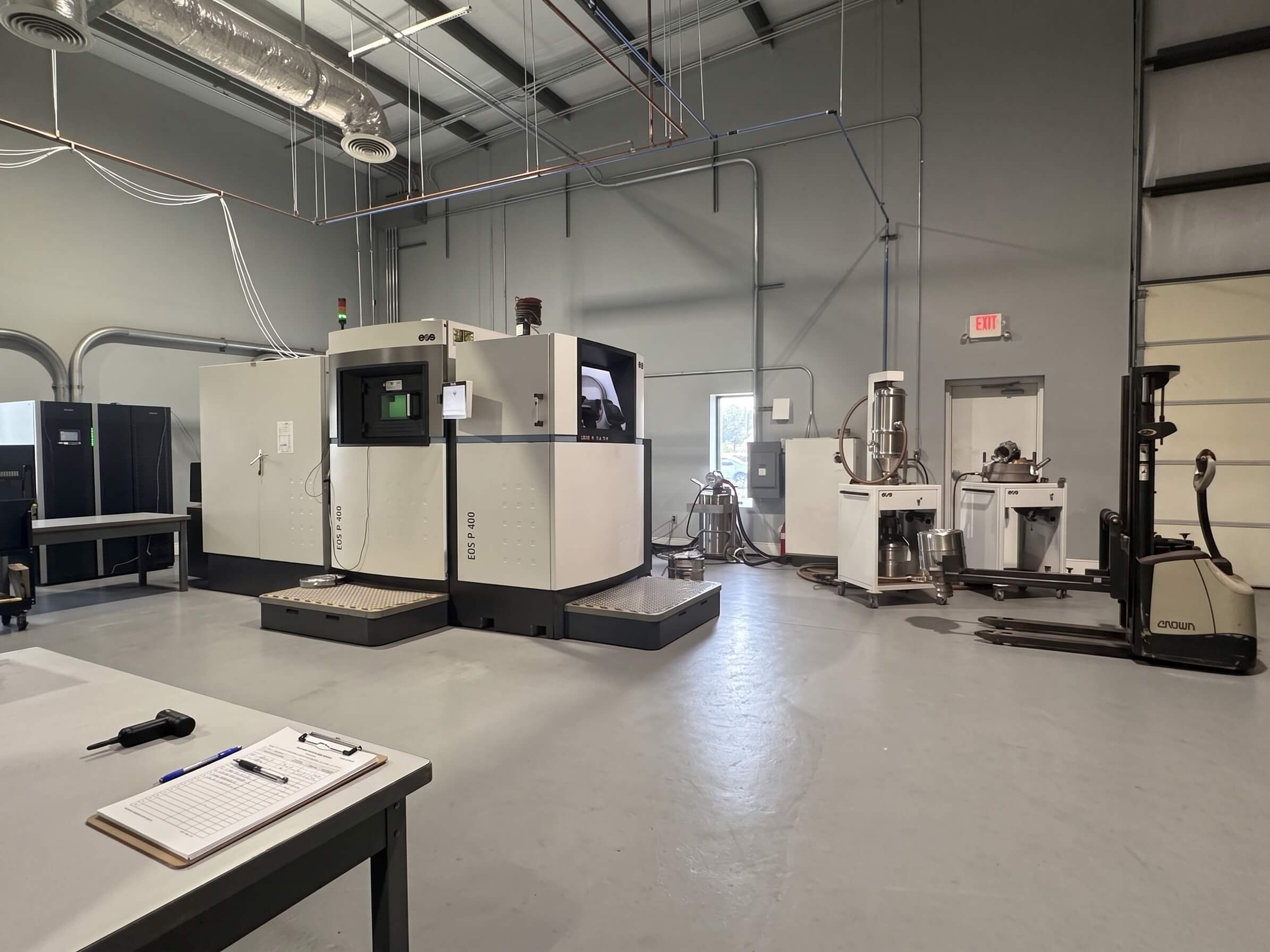
Inside an industrial metal printer, a part begins as loose powder rather than a solid block. The machine spreads and melts thin layers while following a digital design. Each cycle demands control because a small disturbance can affect metal hidden beneath the finished surface.
The Build Starts Long Before the Laser Switches On
Technicians turn a three-dimensional CAD model into instructions the printer can follow. Software divides the geometry into thin cross-sections and assigns laser paths, including supports beneath overhangs. Engineers choose the part’s orientation based on surface quality, build height, heat flow, and access for removing trapped powder. Any metal 3D printing service must review these decisions because orientation changes how a part may distort as it cools. Early checks prevent avoidable interruptions, particularly when a build will occupy the printer for days. Once approved, the build file guides the machine throughout the job.
How Does Powder Become a Flat Printing Surface?
Fresh alloy powder enters through a feed system, then a recoater spreads it across the build plate in an even layer. Depending on the equipment, layers may be only a few dozen micrometers thick. Uneven spreading can leave bare spots or thick patches that interfere with melting. During powder metal 3D printing, the recoater must pass over each layer without striking raised edges or supports. Particle size matters: powder that clumps or flows poorly makes consistent layers harder to achieve.
The Chamber Atmosphere Protects More Than the Powder
Oxygen can react with hot metal, so these machines operate in a controlled atmosphere, usually argon or nitrogen depending on the alloy. Circulating gas carries away smoke and fine particles produced as the laser works. Without effective flow, particles can settle onto the powder bed or interfere with the beam. Filters, oxygen sensors, and flow settings therefore influence quality. Operators track the atmosphere throughout production instead of assuming the chamber remains clean because its door stays closed.
A Moving Laser Creates Tiny Pools of Liquid Metal
Rather than heating the entire bed, a focused laser follows programmed paths and melts selected powder. Its small melt pool moves quickly and solidifies as the beam passes. Power, scan speed, and track spacing determine whether neighboring regions fuse properly. Too little energy leaves gaps; excessive energy can create unstable, deep melt pools that trap pores. Within metal additive manufacturing, these settings must suit the alloy because nickel alloys and conductive copper alloys respond differently to laser energy. Reliable printing depends on repeatable melting, not simply a powerful laser.
Each New Layer Bonds to the One Beneath It
After the laser finishes one cross-section, the platform lowers and the recoater supplies fresh powder. Newly melted metal bonds with the solid material below, forming one continuous component rather than stacked sheets. Thousands of repetitions produce walls, holes, and passages that cutting tools might struggle to reach. Surrounding unmelted powder supports some surfaces, but cannot replace engineered supports for every overhang. Effective additive manufacturing for metals accounts for heat removal, downward-facing features, and the danger of edges curling into the recoater.
Why Support Structures and Heat Matter During Printing
Rapid heating and cooling create temperature differences that generate residual stress, sometimes distorting thin features or cracking susceptible materials. Printed supports hold vulnerable sections in position and help conduct heat toward the build plate. Their placement matters because technicians eventually cut them away without damaging useful surfaces. Geometry affects heat accumulation too; a thick section beside a delicate wall may cool differently. Manufacturers adjust scan strategies, orientation, and supports to manage these effects during the build.
Can Operators Tell Whether the Build Is Going Wrong?
Industrial machines may record oxygen levels, laser activity, layer images, or melt-pool signals, depending on their monitoring equipment. An unexpected streak across a powder layer or an unusual sensor reading can flag a problem. Such information helps operators decide whether a build should continue. Monitoring does not replace finished-part inspection because sensors cannot detect every internal defect. Teams comparing metal 3D printing Huntsville AL providers should ask what process records and inspection options are available for their parts.
What Comes Out of the Machine Is Not Yet a Finished Part
Following cooling, technicians recover loose powder, separate the part from its build plate, and remove supports. Heat treatment, machining, and inspection may follow, especially for sealing surfaces or load-bearing components. Safe recovery requires care because fine metal powders can present fire and inhalation hazards. For Huntsville additive manufacture projects involving demanding alloys, post-processing deserves as much attention as laser settings. Serving Huntsville, AL, Additive Manufacturing & Engineering, Inc offers laser powder bed fusion services for complex components.