

Introduction:
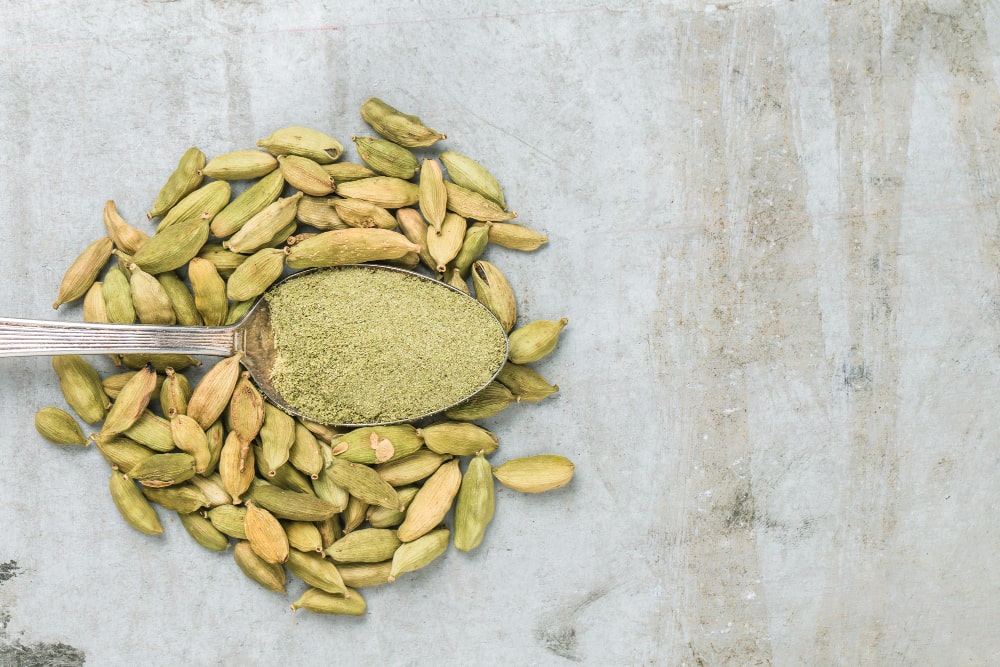
Cardamom powder, derived from the seeds of the cardamom plant, is a versatile spice that has played a significant role in culinary traditions across the globe. Its distinctive flavor, aromatic fragrance, and numerous health benefits have made it a beloved ingredient in various cuisines. As we delve into the cultural traditions surrounding cardamom powder, we discover the rich history and diverse uses of this spice that have shaped culinary practices in different parts of the world.
Cardamom in Ancient History:
In ancient history, cardamom held a special place. Its origins can be traced back to the lush forests of the Western Ghats in India, where it was first cultivated. The ancient Egyptians and Greeks highly prized cardamom for its aromatic properties and medicinal benefits. It was used in perfumes, incense, and even as an offering to the gods. Cardamom also found its way along the ancient spice routes, captivating traders and civilizations alike.
Cardamom in Eastern Cultures:
Eastern cultures, particularly in India, have embraced cardamom as an essential spice in their culinary repertoire. It is a fundamental ingredient in curries, rice dishes, and spice blends like garam masala. Furthermore, cardamom holds a prominent place in Ayurveda, the ancient Indian system of medicine. It is believed to aid digestion, improve respiratory health, and balance the body and mind. Cardamom’s versatile nature extends beyond cooking, with rituals such as chewing cardamom seeds after meals to freshen breath and aid digestion.
Cardamom in Western Cultures:
The introduction of cardamom to the West sparked a fascination with its unique flavor profile. In Western culinary traditions, cardamom has become a staple in baking and desserts, infusing pastries, cookies, and cakes with its distinctively sweet and floral notes. It is also commonly used in beverages like mulled wine and hot chocolate, adding a touch of warmth and complexity. Today, cardamom is widely recognized as an essential ingredient in many Western kitchens.
Cardamom in Middle Eastern and Mediterranean Cultures:
Middle Eastern cuisine boasts a long-standing love affair with cardamom. It features prominently in dishes like biryani, pilaf, and traditional sweets such as baklava. In Middle Eastern coffee and tea culture, cardamom is often added to create a fragrant and invigorating brew. It is also used in traditional medicinal practices and home remedies, harnessing its therapeutic properties for various ailments.
Cardamom in Scandinavian Cultures:
In Scandinavian cultures, cardamom takes center stage in baking and confectionery. It adds a distinct flavor to treats like cinnamon buns and gingerbread cookies, elevating them with a hint of warmth and spiciness. During festive seasons and holidays, cardamom-infused delicacies are prepared with great enthusiasm, carrying on age-old traditions that celebrate the flavors and scents of this beloved spice.
Cardamom in African Cultures:
In North African cuisine, cardamom is treasured for its aromatic intensity. It is an integral component of spice blends like ras el hanout and is used to flavor dishes such as tagines and couscous. Beyond the culinary realm, cardamom holds cultural significance in African societies. It is often included in traditional ceremonies, rituals, and celebrations, symbolizing prosperity, good fortune, and hospitality.
Cardamom in South American and Caribbean Cultures:
South American and Caribbean cuisines have embraced cardamom, infusing it into their vibrant and diverse culinary traditions. It finds its way into dishes like arroz con leche (rice pudding), tropical fruit salads, and rum-based beverages, adding a delightful twist to these regional delicacies. Cardamom’s presence in these cultures highlights the global exchange of flavors and the ability of spices to transcend geographical boundaries.
Global Fusion: Cardamom in Modern Cuisine:
In the modern culinary landscape, cardamom has become a favored spice for chefs and home cooks seeking to create fusion dishes that blend traditional flavors with contemporary techniques. Cardamom powder is used in innovative ways, infusing unexpected dishes with its exotic allure. From cardamom-spiced cocktails to cardamom-infused ice creams, the possibilities are endless, showcasing the spice’s adaptability and versatility in a world of evolving tastes.
Conclusion:
Cardamom powder has traversed continents and generations, leaving an indelible mark on culinary traditions worldwide. Its journey through cultural traditions reveals the spice’s ability to transcend borders, uniting diverse cultures through a shared appreciation for its aromatic splendor. As we continue to explore and embrace the flavors and customs of different cultures, cardamom powder stands as a testament to the power of spices in enriching our culinary experiences and connecting us to the heritage of our global gastronomic tapestry.