


Key Takeaways:
- Understanding the importance of thorough mold inspections.
- Recognizing common signs of mold presence.
- Implementing effective mold prevention strategies.
- Knowing when to seek professional assistance.
Importance of Mold Inspections
Mold is a silent threat that can have drastic effects on your home’s structural integrity and your family’s health. Left unchecked, mold growth can trigger respiratory issues, allergies, and even serious structural damage. That’s why regular inspections are crucial, as they allow you to detect issues early, often before visible signs appear. In humid climates like North Carolina, scheduling a Raleigh mold inspection is an essential preventive measure for homeowners seeking to maintain a healthy, safe living environment.
Professional mold inspections assess areas vulnerable to hidden or overt moisture, focusing on areas behind walls, under floors, and in attics or basements. This proactive approach protects not only property value but also indoor air quality, which is vital for occupants with allergies, asthma, or compromised immune systems.
Moreover, untreated mold can spread rapidly, making remediation projects more costly and complex. Timely inspections not only prevent larger infestations but also provide insight into existing or potential issues, empowering you to take the appropriate next steps. While some property owners attempt to address mold growth themselves, experts recommend using certified service providers for a thorough evaluation—this helps to ensure spores and moisture sources are adequately identified and treated.
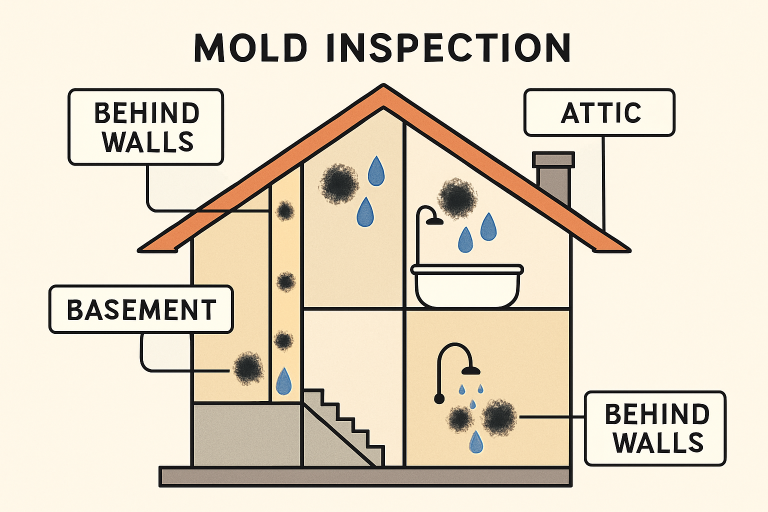
Common Signs of Mold
Mold is not always visible or immediately obvious, but recognizing these early indicators allows homeowners to take timely steps for mold removal that help minimize potential health risks and prevent structural issues. Common indicators to look out for include:
- Musty or damp odors, particularly in enclosed or poorly ventilated spaces
- Visible growth, ranging from discoloration spots to fuzzy patches on surfaces
- Water stains or discoloration on ceilings, baseboards, and walls
- Frequent, unexplained allergic reactions such as sneezing, itchy eyes, or respiratory discomfort
If you spot any of these signs, it’s imperative to investigate further, as mold can spread quickly and remain hidden behind paint, drywall, or under flooring.
Conducting a Mold Inspection
Mold inspections should always be systematic and thorough. Professionals employ a multi-step process, ensuring that both obvious and hidden issues are discovered:
- Visual Examination: Inspect all areas with known moisture issues, such as under sinks, around windows, in basements, and in bathrooms. Look for visible mold colonies, water stains, or peeling paint.
- Moisture Assessment: Using moisture meters, professionals check behind walls or beneath surfaces where leaks may have occurred, as dampness is a key predictor of mold growth.
- Air Quality Testing: Air samples are collected and analyzed to detect the presence and types of mold spores, especially when there’s a suspicion of hidden growth.
- Surface Sampling: Swabs or tape lifts taken from suspect surfaces help confirm the extent and species of mold, contributing to a more effective remediation strategy.
During cleanup, following best practices is critical to prevent spores from spreading elsewhere in the building. Guidance by the U.S. Environmental Protection Agency (EPA) provides helpful tips and precautions for property owners.
Preventive Measures
Preventing mold at its source is key to maintaining a healthy property. Homeowners can significantly reduce the risk of mold growth by keeping indoor humidity below 50%. Dehumidifiers are particularly useful in basements and crawl spaces, while bathroom and kitchen fans help expel moisture from daily activities. Fast action is required to fix roof leaks, overflowing gutters, or plumbing problems that allow water infiltration. Regularly inspect appliances such as air conditioners and washing machines for leaks or blockages. In spaces commonly exposed to moisture—like basements—waterproofing or a vapor barrier is a wise investment. Properly insulating windows, pipes, and exterior walls prevents condensation, and routine HVAC maintenance ensures optimal air quality, further inhibiting mold proliferation. For more prevention tips, see this Consumer Reports. Staying proactive with these measures helps you avoid costly repairs and ensures long-term comfort in your living space. Consistent monitoring and timely maintenance create a safer, healthier home environment year-round.
When to Call Professionals
Mold issues that exceed small, surface-level spots or involve hidden moisture sources typically require professional assistance. Large infestations or cases where mold is present inside walls or within ventilation systems should not be tackled with DIY solutions—disturbing contaminated materials may exacerbate the problem and put your health at risk. Independent inspection companies offer objective assessments, ensuring unbiased findings and a remediation plan based on accurate data.
Regulatory Standards
Mold inspection and remediation are subject to state regulations in many areas. Some states require inspectors to be licensed and prohibit companies from conducting both the inspection and remediation on the same property to avoid conflicts of interest. Such legislation enhances transparency and ensures property owners receive impartial recommendations, increasing consumer protection. Always verify local regulations and certifications when hiring mold professionals.
Case Studies
The increasing demand for professional inspections is exemplified by the growth of mold inspection companies in regions prone to moisture and humidity. One example is Mold Inspection Sciences expanding into broader markets, helping countless homeowners protect their health and property. These case studies highlight how employing a science-based, independent inspection leads to successful interventions and prevention strategies.
Conclusion
Mold is a common but preventable threat to indoor environments. By recognizing early warning signs, implementing preventive measures, and engaging professional services at the right time, property owners can effectively control and mitigate mold issues. Schedule inspections regularly and act promptly at any sign of moisture or mold—these best practices are crucial for creating a safe, healthy home or business.