

Key Takeaways
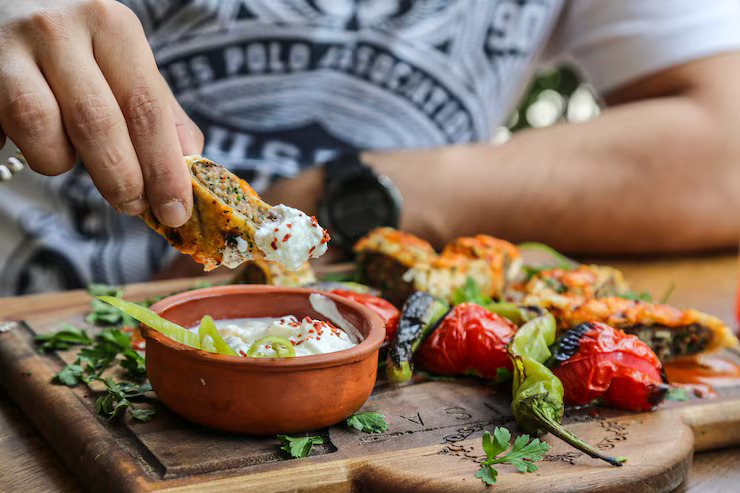
- Food serves as a gateway to understanding a destination’s culture and history.
- Engaging in local culinary practices fosters connections with communities.
- Participating in food-related activities enhances the overall travel experience.
Table of Contents
- Food as a Cultural Bridge
- Culinary Tourism on the Rise
- Immersive Food Experiences
- Street Food: The Heartbeat of Local Cuisine
- Cooking Classes and Food Tours
- Food Festivals and Events
- Sustainable and Ethical Eating
- Conclusion
For many travelers, the allure of distant places starts in the kitchen. Whether it is the aroma of spices wafting from a street vendor or the colorful bustle of an open-air market, food often provides the first taste of a new culture. Culinary exploration transforms travel into an immersive journey, allowing adventurers to connect with communities, traditions, and stories that might otherwise remain unseen. As food enthusiasts seek new horizons and learn about the traditions and challenges of others, such as in the story of Claudette Rickett Schwartz, these experiences take on even deeper meaning.
Through cuisine, barriers like language and custom are often bridged effortlessly, as a shared meal becomes a universal gesture of hospitality and kinship. Food embodies a region’s history, values, and dreams, turning each bite into an opportunity to learn about the forces that have shaped both people and place. It is no surprise that in today’s travel landscape, food is no longer a footnote but a primary motivation for global exploration.
Food as a Cultural Bridge
A journey can begin long before boarding a plane. It often starts with a curiosity about unfamiliar dishes, ancient traditions, or the hands behind the recipes. Food communicates a place’s identity, encapsulating its geography, history, and customs in every flavor. Sitting down at a family table or sharing a meal at a bustling local restaurant reveals stories that go beyond words. These exchanges foster mutual understanding, highlighting how something as simple as bread or a spice can bring people together regardless of background.
Culinary Tourism on the Rise
The growing desire to experience destinations through their cuisines has sparked the rise of culinary tourism. More travelers are planning their routes around famous food cities, chef-led restaurants, and local specialties. For many, tasting ramen in Tokyo or wine in Bordeaux creates a travel memory as vivid as viewing a famous monument. According to National Geographic, food has become a central narrative in modern tourism, motivating both solo travelers and families alike to step off the beaten path and into kitchens, street stalls, and dining halls.
Immersive Food Experiences
Travelers now seek opportunities to do more than just. Immersive food experiences, such as shopping with locals at traditional markets or learning to prepare classic dishes, offer a meaningful glimpse into daily life. These experiences go beyond restaurants, offering travelers a chance to understand the origins of ingredients, cooking techniques, and the significance of meals within the community. Culinary immersion often leads to lasting friendships, cherished memories, and valuable cultural lessons.
Street Food: The Heartbeat of Local Cuisine
Street food stands at the heart of many food adventures. Wandering through open-air food markets or sampling local specialties from vendors lets travelers encounter a destination’s signature flavors without pretense. In places like Mexico City, Bangkok, or Marrakech, the best eats are served on busy sidewalks, offering an authentic taste of daily life. These experiences show how street food, often passed down through generations, continues to shape and define a city’s culinary reputation. For more insight into global street foods, see CNN’s guide to the world’s best street foods.
Cooking Classes and Food Tours
Participating in cooking classes or joining guided food tours provides hands-on insight into regional cuisines. These activities allow travelers to try their hand at making pasta in Italy or perfecting sushi rolls in Japan, under the guidance of local experts. Food tours can lead visitors through traditional bakeries, spice shops, and hidden eateries, broadening both palate and perspective. Engaging with chefs and food purveyors connects travelers deeply with the local culinary scene while imparting practical skills to bring home.
Food Festivals and Events
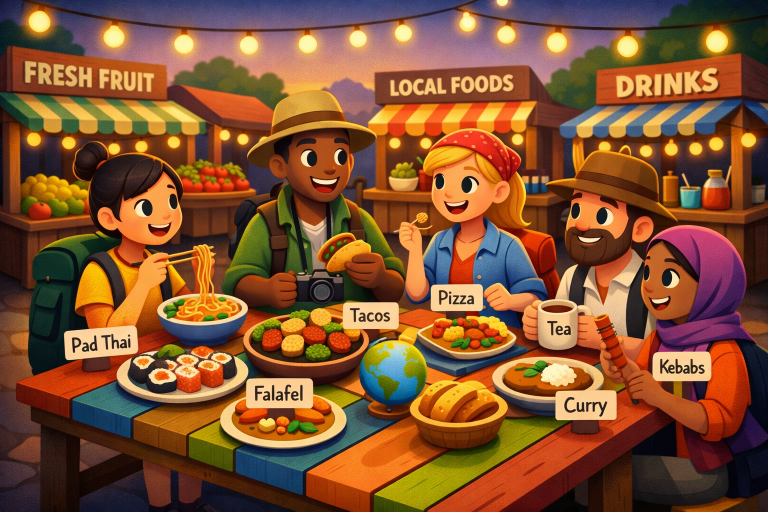
Food festivals and community gatherings celebrate local flavors at their finest. These events showcase native produce, signature dishes, and the creativity of local chefs and artisans. Travelers can experience the excitement of these festivals, which are often accompanied by performances, demonstrations, and communal feasting. They offer an opportunity to taste a variety of specialties in one place while learning about the traditions and stories that shape the cuisine.
Sustainable and Ethical Eating
Modern travelers are increasingly mindful of sustainability and ethical concerns. Choosing eateries that source ingredients responsibly, supporting local farmers and fishers, and minimizing food waste are becoming part of the travel experience. Such practices help preserve culinary traditions and protect the environment for future generations. Organizations and travelers alike are realizing that the choices made on the road can have a lasting impact on both culture and nature.
Conclusion
Traveling for food is about much more than satisfying hunger. It offers a path to genuine cultural exchange, personal growth, and lasting memories. Whether you are sampling street food, learning to cook, or joining a local celebration, let food be your passport to deeper discovery and meaningful connections wherever your journeys take you.