


Key Takeaways
- Implementing technologies like ice thermal energy storage cuts energy costs and usage during peak hours.
- Incorporating renewable energy within commercial HVAC operations accelerates sustainability progress.
- Smart controls and building management systems optimize energy use in real time.
- Consistent maintenance and timely equipment upgrades ensure peak efficiency and system reliability.
Effective management of heating, ventilation, and air conditioning technologies is paramount for commercial facilities seeking sustainability and cost control. As energy demand grows and businesses strive to reduce their environmental impact, embracing innovative methods for system operation and oversight has never been more crucial. For organizations in Jacksonville, North Carolina, exploring efficient commercial HVAC solutions is a pivotal step toward creating eco-friendly, high-performing workplaces.
Sustainable HVAC strategies focus on minimizing resource use while maximizing comfort and air quality. From adopting advanced thermal storage to integrating renewable energy resources, commercial buildings have multiple pathways to reach their sustainability targets in a financially responsible way. An early commitment to these practices can future-proof facilities and position businesses as leaders in environmental stewardship.
Strategic energy management in larger spaces also shares solutions with home environments. While commercial buildings face unique challenges, homeowners share similar motivations to invest in responsible heating and cooling systems. If you are also interested in environmentally friendly home climate control, discover more about residential HVAC options tailored for Jacksonville and the surrounding areas.
Implementing Ice Thermal Energy Storage
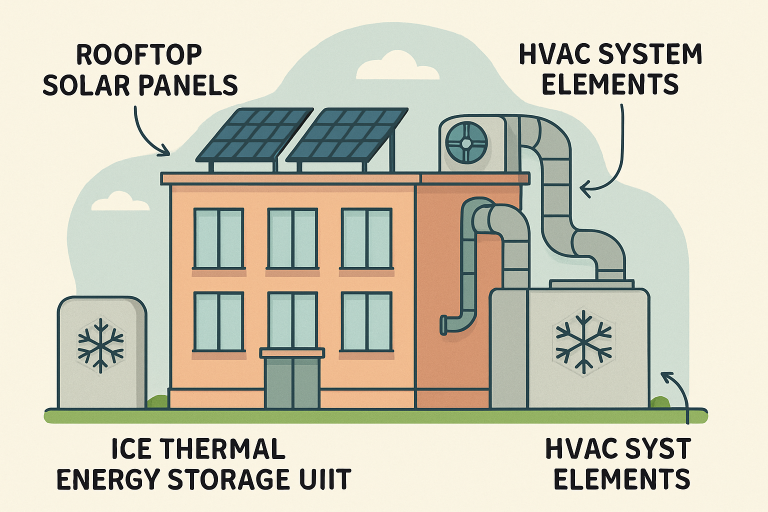
Facilities across the United States are turning to ice thermal energy storage—sometimes called “ice batteries”—as a cost-saving and sustainable way to condition indoor spaces. The system works by freezing a reservoir of water overnight, using less-costly, less-polluting electricity when demand is low. During the heat of the day, stored ice cools water, which then circulates through the building’s HVAC system, reducing the load on conventional air conditioning and limiting power use during periods of high demand.
Hospitals such as Norton Audubon in Kentucky have achieved notable results, reporting significant cuts in peak energy consumption and overall utility bills. These successes serve as a blueprint for commercial buildings nationwide, demonstrating that smart deployment of energy storage can deliver both sustainability and cost-management benefits. For a broader look at how these strategies work, CBS News breaks down how ice-based energy storage is being adopted by leading facilities.
Integrating Renewable Energy Sources
Integrating traditional HVAC systems with renewable technologies such as solar panels and ground-source heat pumps significantly lowers reliance on fossil fuels and enhances energy efficiency. Solar panels can effectively contribute to heating and cooling when paired with high-efficiency equipment, while geothermal heat pumps optimize energy consumption by utilizing the earth’s stable temperature. Hybrid systems that merge conventional HVAC technologies with renewable energy solutions increase reliability and promote environmental benefits. Additionally, many states and cities offer incentives for solar and geothermal installations, making them a beneficial investment for proactive building owners.
Utilizing Smart Controls and Building Management Systems
Intelligent technology has revolutionized energy consumption patterns in commercial structures. Smart thermostats, occupancy sensors, and comprehensive building management systems (BMS) provide operators with real-time data on energy use, enabling quick adjustments to reduce waste. These control systems automatically adapt heating and cooling schedules based on room usage, weather events, and even energy market signals, significantly increasing overall efficiency.
Such proactive management typically provides greater occupant comfort, as spaces are conditioned to meet their specific needs rather than set schedules. Businesses benefit not only from immediate savings but also from the granular data these systems generate, which can inform future investments and upgrades. This interconnected approach is at the heart of modern sustainability strategies in commercial HVAC management.
Regular Maintenance and System Upgrades
Efficient systems depend on proactive inspection and the replacement of worn parts. High-efficiency air filters lighten fan and compressor loads while trapping more indoor pollutants, leading to healthier environments and less downtime. Regular updates to equipment like fans, motors, and sensors prolong HVAC lifespan and enhance energy efficiency. Ventilation strategies now aim to cut energy waste; demand-controlled ventilation supplies fresh air based on occupancy or air-quality needs, reducing the need for continuous heating or cooling. Natural ventilation, where feasible, harnesses outdoor airflow to regulate temperatures, further reducing the demand on mechanical systems. The U.S. Department of Energy provides guidance for effective ventilation solutions in commercial and residential settings.
Conclusion
Employing sustainable solutions in the management of commercial HVAC systems protects the environment and delivers significant long-term financial benefits. By adopting advanced storage systems such as ice-based batteries, leveraging renewable energy, installing smart controls, and investing in routine maintenance and strategic upgrades, building owners can drive efficiency, enhance comfort, and secure meaningful reductions in their carbon footprint. These steps create more resilient, adaptable, and eco-conscious workplaces for today and the future.