

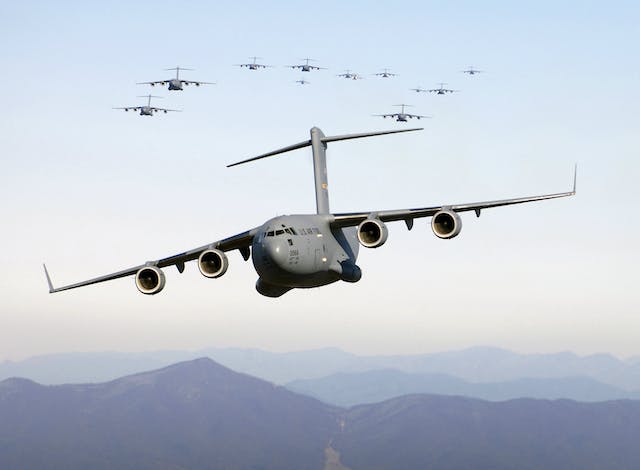
Prepare for the unexpected challenges that can arise in the skies by understanding the importance of having specific aircraft parts readily available in case of emergencies. The reliability of an aircraft hinges on key components, and ensuring that these parts are on hand can make a crucial difference when faced with unforeseen situations. In this exploration, we delve into seven important aircraft parts that, when kept in stock, contribute to a more secure and well-prepared aviation experience.
1. Essential Spare Parts
Ensure your aircraft is equipped with a comprehensive array of essential spare parts, including bolts, nuts, and washers. These seemingly basic components can play a pivotal role during emergencies, allowing for quick and efficient replacement of damaged or missing parts. By having a ready supply of these critical elements on board, you enhance your ability to address unforeseen issues promptly and ensure the continued functionality of your aircraft. This proactive approach to maintenance can make a significant difference in the overall safety and reliability of your flying experience.
2. Communication Equipment
Maintain a supply of spare communication equipment on your aircraft, including microphones, headsets, and wiring. These components are crucial for sustaining clear and effective communication among the flight crew, particularly in emergencies. In the event of equipment malfunction or damage, having readily available backups ensures that essential communication channels remain operational. Reliable communication tools play a fundamental role in coordinating responses and actions during critical moments, contributing significantly to the overall safety and coordination of the flight.
3. Navigation Instruments
Be prepared for emergencies by stocking up on spare navigation instruments like altimeters and compasses. These components are essential for maintaining precise control over the aircraft’s altitude and direction, particularly in unforeseen circumstances. Having backup navigation tools ensures that the flight crew can navigate with confidence, even if the primary instruments face issues. Altitude control is critical for safe flight, and reliable compasses contribute to accurate course-keeping. By securing spare parts for these fundamental navigation instruments, you enhance the aircraft’s ability to respond effectively to unexpected challenges, bolstering overall safety and navigation capabilities.
4. Lighting Systems
Functional lights are indispensable during emergencies, serving critical roles in signaling, navigation, and maintaining visibility in crucial flight phases. Backup bulbs and fuses contribute to the overall reliability of the lighting systems, allowing for quick replacements in case of malfunctions. Whether it’s for runway illumination, navigation lights, or emergency signaling, having spare parts readily available enhances the aircraft’s capacity to address unforeseen challenges, contributing to a safer and more secure flying experience.
5. Hydraulic System Components
Stock up on essential hydraulic system components like hoses, fittings, and seals to ensure the robustness of your aircraft. The hydraulic system is critical for various flight operations, and having spare parts readily available is key for maintaining its integrity. A well maintained hydraulic system is essential to maintaining the correct operation of critical aircraft operations in an emergency. For optimal performance and safety, having backup components, such as those provided by reputable manufacturers like Tronair, can significantly enhance your aircraft’s ability to respond to unforeseen challenges, reinforcing its overall reliability and operational efficiency.
6. Emergency Oxygen Systems
Ensure the preparedness of your aircraft by maintaining a supply of spare parts for the emergency oxygen system, including masks and tubing. These components are vital for providing oxygen to passengers and the flight crew during unexpected situations like a loss of cabin pressure. In emergency scenarios, the availability of functional emergency oxygen systems is paramount for ensuring the well-being of everyone on board. By having spare parts readily accessible, you enhance the aircraft’s capacity to respond promptly to critical situations, safeguarding the health and safety of those on board. The whole flight experience is made more secure by this proactive approach to disaster readiness.
7. Aviation Replacement Parts
Avionics play a critical role in ensuring the smooth operation of electronic components, including navigation, communication, and monitoring systems. In the event of malfunctions, having readily available spare parts enhances the aircraft’s ability to address technical issues promptly. Avionics spare parts contribute to troubleshooting efforts, allowing the flight crew to maintain control and situational awareness during critical phases of flight. By incorporating spare components for avionics systems, you bolster the overall reliability and resilience of your aircraft’s electronic infrastructure, fostering a safer and more efficient flying experience.
Conclusion
Keeping a supply of essential aviation parts on hand is a proactive move that will help to guarantee the safety and proper operation of your aircraft. By having spare components like essential nuts, bolts, communication devices, and navigation instruments readily available, you enhance your ability to respond effectively to emergencies. Functional lighting systems, spare parts for the hydraulic and emergency oxygen systems, and backups for avionics components contribute to the overall resilience of your aircraft.