

Introduction
Navigating the complex landscape of academic essay writing requires a solid understanding of its fundamental elements. Whether you’re a student new to the academic realm or a seasoned scholar looking to refine your skills, this brief guide aims to demystify the key components of a successful academic essay. Additionally, for those seeking expert assistance, consider leveraging the valuable resources provided by reputable essay writing service that can provides valuable insights and support in crafting impactful academic essays.
The Thesis Statement
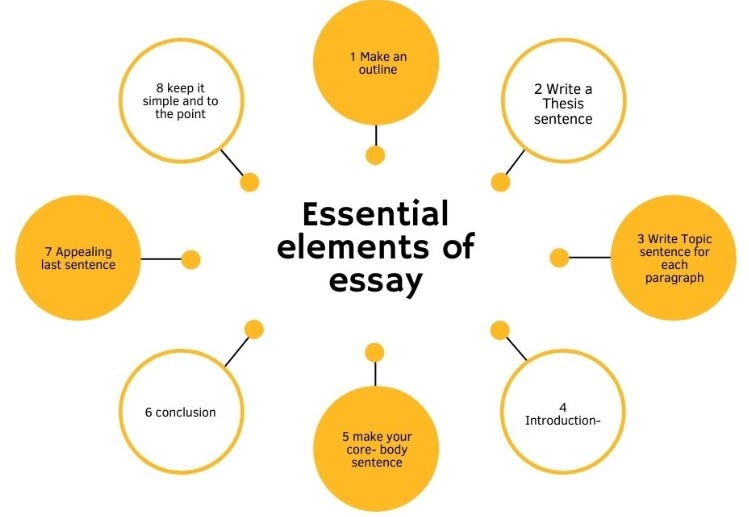
At the heart of every academic essay lies the thesis statement a concise, arguable claim that sets the tone for the entire paper. Craft your thesis with precision, ensuring it encapsulates the main point and purpose of your essay.
Clear Structure and Organization
A well-organized essay is a coherent essay. Establish a clear structure, with a logical flow of ideas that guides the reader from introduction through body paragraphs to a compelling conclusion. Each paragraph should contribute seamlessly to the overarching narrative.
Introduction
The introduction serves as the gateway to your essay. Capture your reader’s attention with a hook, provide context, and conclude with a robust thesis statement.
Body Paragraphs
Each body paragraph should revolve around a single idea that supports your thesis. Start with a topic sentence, present evidence, and analyze its significance. Ensure smooth transitions between paragraphs for a cohesive narrative.
Conclusion
Wrap up your essay by summarizing key points, restating your thesis, and leaving a lasting impression. Avoid introducing new ideas in the conclusion.
Supporting Evidence and Analysis
Back up your thesis with credible and relevant evidence. Whether citing scholarly articles, books, or other academic sources, ensure your evidence strengthens your argument. Follow up with thoughtful analysis, demonstrating your understanding and interpretation of the material.
Academic Style and Tone
Maintain a formal and objective tone throughout your essay. Academic writing demands clarity and precision, so avoid overly complex language or casual expressions. Strive for a balance between formality and engaging prose.
Proper Citation and Referencing
Avoid plagiarism by diligently citing all sources used in your essay. Familiarize yourself with the required citation style (APA, MLA, Chicago, etc.) and adhere to it consistently. Accurate referencing enhances the credibility of your work.
Revision and Editing
The first draft is just the beginning. Revise and edit your essay to refine your arguments, improve clarity, and eliminate grammatical errors. Consider seeking feedback from peers or instructors to gain fresh perspectives. For added assistance, explore the use of helpful tools like a thesis statement generator to ensure that your central argument is well-crafted and impactful. These tools can be valuable in refining your thesis and overall essay structure.
Conclusion
Mastering the elements of the academic essay is a journey that requires practice and attention to detail. By honing your thesis statements, perfecting your organization, supporting arguments with evidence, adopting an appropriate tone, citing sources meticulously, and refining through revision, you can elevate your academic writing to new heights.