

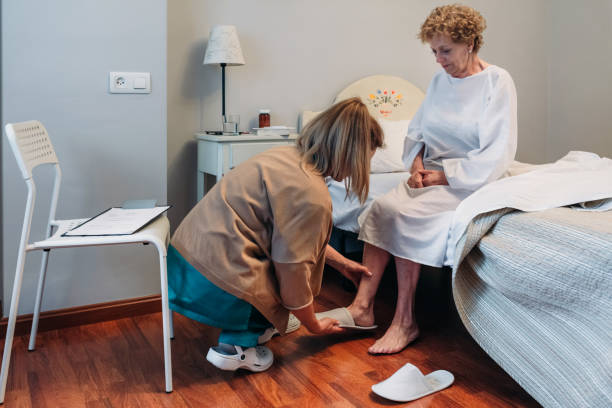
In an era where aging populations are becoming more prevalent, the need for effective and compassionate care for seniors is on the rise. Many families find themselves grappling with the decision of how to best support their aging loved ones while preserving their independence and quality of life.
One solution that has gained prominence in recent years is senior home care. This article aims to delve into the various aspects of senior home care, exploring its benefits and shedding light on why it has become an increasingly popular choice for families worldwide.
Understanding Senior Home Care
Defining Senior Home Care
Senior home care refers to a range of services provided to elderly individuals in the comfort of their own homes. Unlike institutionalized care settings such as nursing homes or assisted living facilities, senior home care allows seniors to receive personalized assistance while remaining in a familiar environment.
This type of care is tailored to the specific needs of each individual, promoting a sense of independence and autonomy.
Types of Senior Home Care Services
- Personal Care Assistance: This includes help with daily activities such as bathing, dressing, grooming, and mobility.
- Companionship: Loneliness and isolation can be significant challenges for seniors. Senior home care providers often offer companionship services, providing emotional support and engaging in activities with the elderly.
- Medication Management: Ensuring that seniors take their medications as prescribed is crucial for their health. Senior home care professionals can assist with medication reminders and administration.
- Meal Preparation and Nutrition Support: Maintaining a healthy diet is essential for seniors. Home care providers can assist with meal planning, preparation, and monitoring of nutritional intake.
- Household Chores and Errands: Seniors may struggle with household tasks such as cleaning, laundry, and grocery shopping. Home care services often include assistance with these activities.
The Benefits of Senior Home Care
1. Preservation of Independence
One of the primary advantages of senior home care is its emphasis on maintaining independence. Seniors are more likely to retain a sense of control over their lives when receiving care at home. This can significantly contribute to their overall well-being and mental health.
2. Personalized and Flexible Care Plans
Senior home care services are highly customizable. Care plans are tailored to the individual needs and preferences of each senior. This level of personalization ensures that the care provided is efficient and aligns with the unique requirements of the elderly person.
3. Emotional and Mental Well-being
Being surrounded by familiar belongings and memories can have a positive impact on a senior’s emotional and mental well-being. Home care allows seniors to stay connected to their communities, friends, and neighbors, reducing the risk of isolation and depression.
4. Cost-Effectiveness
In comparison to institutionalized care settings, senior home care can be a more cost-effective option. Families can choose the specific services their loved ones need, avoiding the additional expenses associated with comprehensive care facilities.
5. Faster Recovery from Illness or Surgery
For seniors who are recovering from an illness or surgery, being in a familiar environment can expedite the healing process. Home care services can provide the necessary support and assistance during the recovery period, promoting faster and smoother recuperation.
6. Improved Quality of Life
Senior home care is designed to enhance the overall quality of life for elderly individuals. By addressing their unique needs and preferences, this type of care helps seniors live more comfortably and enjoy a higher level of satisfaction in their daily lives.
7. Family Involvement and Peace of Mind
Families often play a crucial role in the care of their elderly loved ones. Senior home care allows family members to be actively involved in the caregiving process while providing professional assistance when needed. This collaborative approach can bring peace of mind to both seniors and their families.
How to Choose the Right Senior Home Care Provider
1. Assessing the Needs of the Senior
Before selecting a senior home care provider, it’s essential to assess the specific needs of the senior. Consider factors such as mobility, medical conditions, and preferences to determine the level and type of care required.
2. Researching Providers
Take the time to research and compare different senior home care providers. Look for agencies with positive reviews, certifications, and experienced caregivers. Ask for recommendations from healthcare professionals, friends, or family members.
3. Reviewing Care Plans and Contracts
Carefully review the care plans offered by potential providers. Ensure that the services align with the needs of the senior. Additionally, go through the terms and conditions of the contract, including costs, cancellation policies, and any additional fees.
4. Checking Licensing and Accreditation
Verify that the senior home care provider is licensed and accredited. This ensures that they adhere to industry standards and regulations, providing a higher level of confidence in the quality of care they deliver.
5. Meeting Caregivers in Advance
If possible, arrange to meet the caregivers who will be assisting the senior. Establishing a personal connection and ensuring compatibility can contribute to a more positive and comfortable caregiving experience.
6. Seeking Client References
Ask the senior home care provider for client references. Speaking with other families who have used their services can provide valuable insights into the provider’s reliability, professionalism, and overall satisfaction of clients.
Overcoming Challenges in Senior Home Care
1. Communication and Coordination
Effective communication is crucial in senior home care. Ensure that there is clear communication between the senior, family members, and caregivers. Regular updates and coordination can help address any emerging issues promptly.
2. Adapting to Changing Needs
Seniors’ needs may evolve. A reputable senior home care provider should be flexible and able to adapt care plans to accommodate changing requirements. Regular reassessments of the senior’s needs are essential.
3. Ensuring Caregiver Well-being
Caregivers play a vital role in senior home care. It’s important to ensure that they receive adequate support and respite to prevent burnout. A well-supported caregiver is more likely to provide high-quality care to the senior.
Conclusion
In the journey of caring for aging loved ones, senior home care emerges as a compassionate and viable option. Its emphasis on preserving independence, providing personalized care, and improving overall well-being makes it a preferred choice for many families.
By understanding the benefits of senior home care, navigating the selection process, and addressing potential challenges, families can create a supportive and nurturing environment for their elderly loved ones, allowing them to age with dignity and grace in the comfort of their own homes.