


A catering business can stay small for years and then suddenly find itself taking on jobs that feel completely different. Thirty guests are manageable. A birthday party for 60 may still feel comfortable. Then someone books a wedding for 200 people, naan is expected throughout dinner, three kinds of kebabs are on the menu and the kitchen that once felt roomy starts looking very small.
That is often when equipment becomes part of the growth conversation.
Chef’s Choice is a catering firm specializing in tandoor cooking; for them, the question is not just whether food tastes good. The more difficult question is whether the kitchen can produce it in sufficient quantities at the right time without the dinner service becoming a struggle.
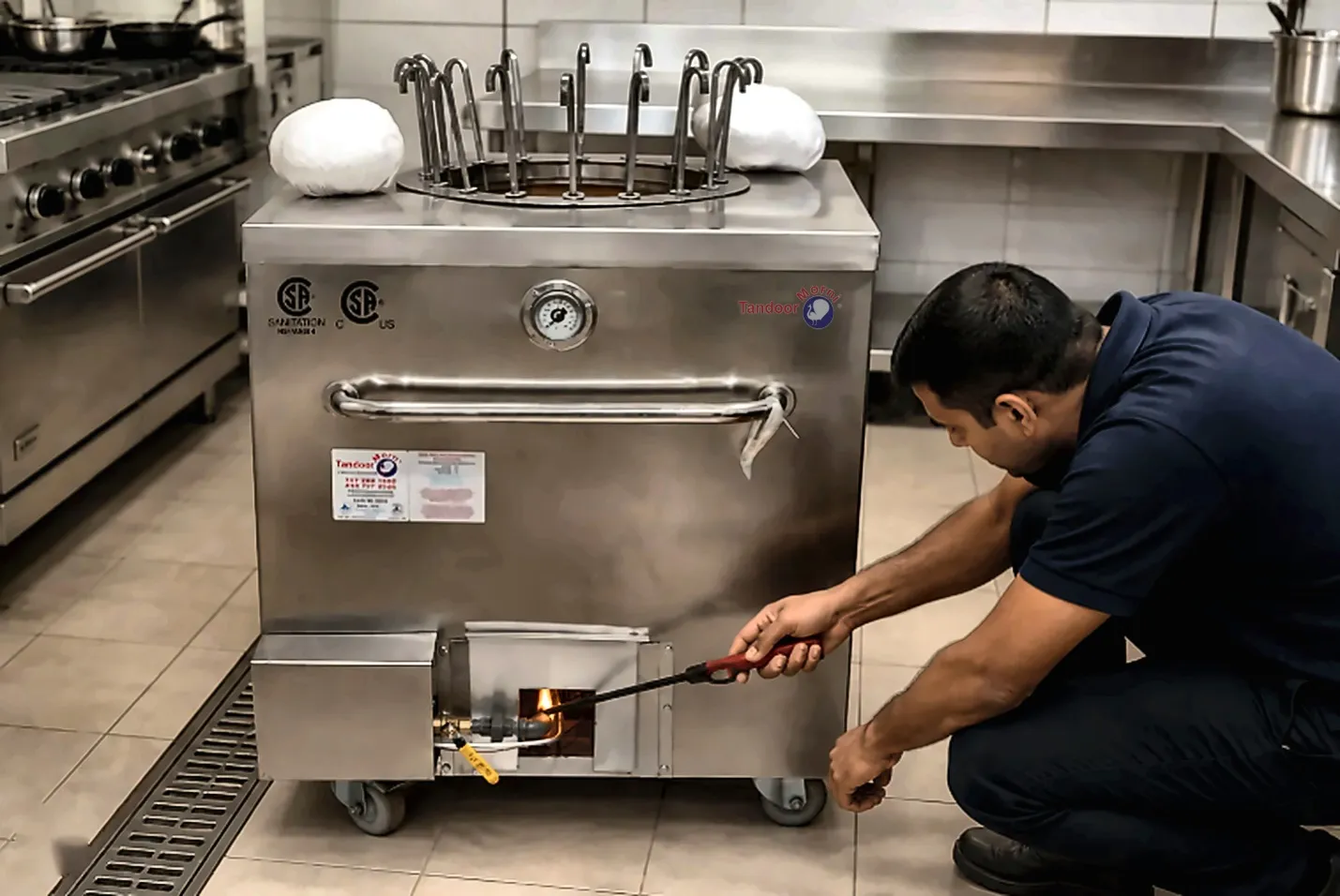
When Small Events Stop Feeling Small
Catering volume has a way of exposing weak spots.
At a smaller event, a cook can recover from a slow batch or a late tray. There is usually a little breathing room. Larger functions are different because several things may need to happen at once.
Naan has to keep coming. Chicken tikka may already be on skewers. Paneer is waiting. Another table has just asked for more bread.
The tandoor may suddenly be the busiest part of the whole setup.
That does not automatically mean the caterer needs the largest oven available. Sometimes the real problem is the layout around it. Dough may be too far from the cooking station, prepared skewers may have nowhere convenient to sit or one cook may be trying to handle too many tasks.
Finding that out before buying new equipment can save a lot of money.
Start With What Actually Sells
Menus look very different from one catering company to another.
One business may sell huge quantities of naan with only a few tandoori dishes. Another may be known for mixed grills, seekh kebabs, chicken tikka or paneer.
That difference matters.
If bread is the main pressure point, the cook needs enough access to the clay wall to keep batches moving. If skewered dishes dominate the menu, the working rhythm is different. And if both are popular at the same time, oven space can disappear quickly during a dinner rush.
A caterer considering an upgrade should look back at recent jobs rather than estimating from memory.
Which item caused the longest wait? When did the kitchen fall behind? Was the tandoor full or was the food simply not ready to go into it?
Those are ordinary questions, but they usually reveal more than a product specification sheet on its own.
The Move Into a Permanent Kitchen
A caterer opening a restaurant is making a bigger change than it first appears.
Portable setups and event work come with one set of problems. A fixed commercial kitchen comes with another.
The restaurant now has a permanent cooking line. There may be lunch and dinner service on the same day. Staff work around the same equipment for hours and a station that seemed acceptable on paper can become frustrating once orders start arriving.
This is where planning matters.
Businesses comparing options can review the different equipment categories offered by Tandoor Morni. The wider range includes equipment intended for different settings rather than treating every tandoor as though it serves the same purpose.
For a caterer moving into a restaurant, that distinction is useful. The new kitchen needs equipment chosen for regular service, not simply for the biggest event the company has handled so far.
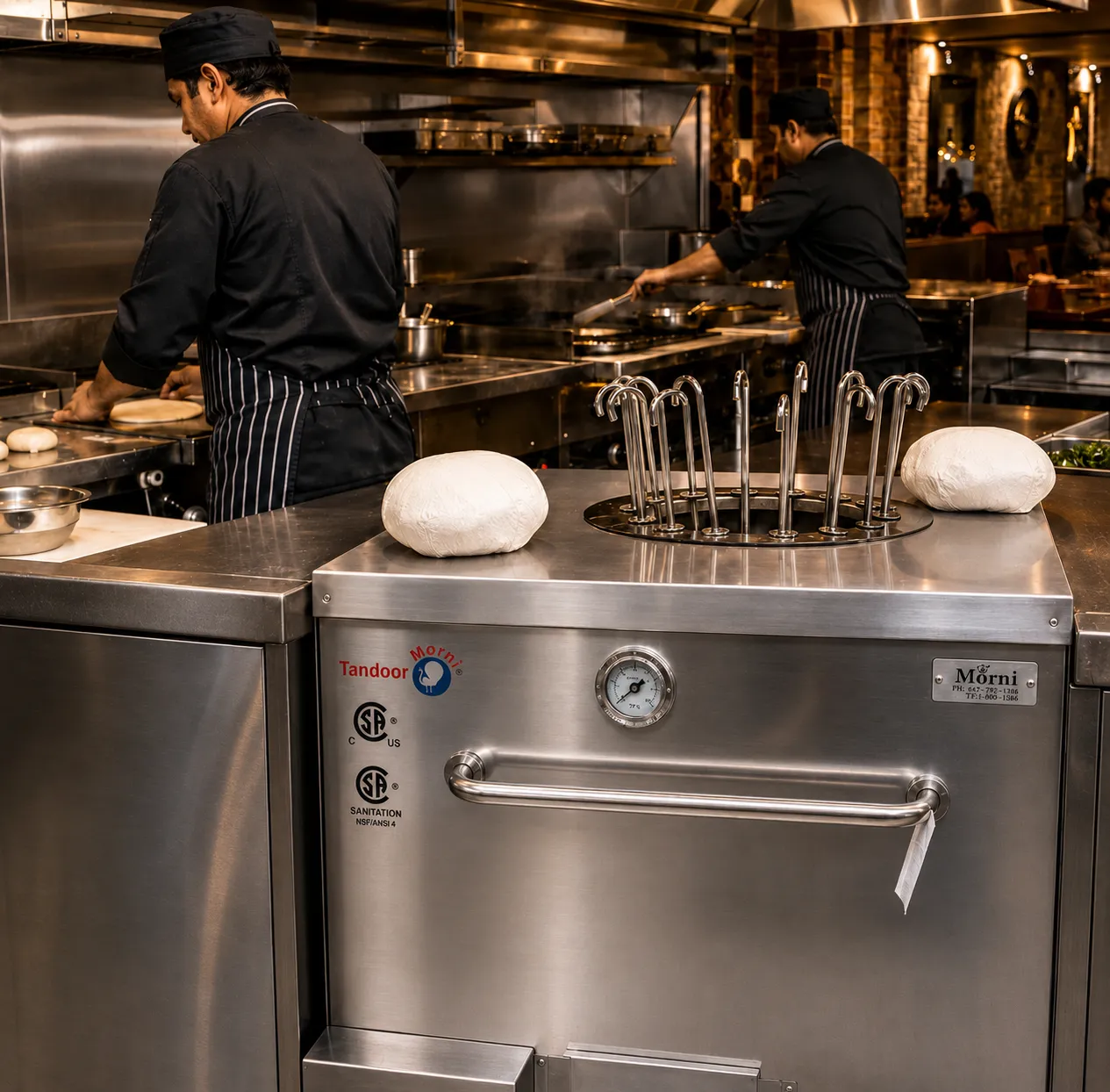
Watch the Dinner Rush Before Buying Anything
One of the simplest ways to judge future equipment needs is to watch a busy service properly.
Not from the office. From the kitchen.
Take note of what is happening when orders begin backing up. Maybe naan is waiting because the wall is already occupied. Perhaps meat is ready to cook, but there is no free space for more skewers.
Or the opposite may be true: the tandoor is hot and available, but the preparation team cannot feed it quickly enough.
In that case, another oven would add cost without fixing the delay.
Even two or three busy services can show a pattern. A restaurant owner does not need complicated software to figure this out. A notebook and a few honest observations are often enough.
Bigger Is Not Always the Answer
Kitchen owners sometimes assume growth means replacing every piece of equipment with something larger.
That can be a mistake.
A bigger tandoor needs enough room around it for the cook to work safely and comfortably. The station still needs space for dough, skewers, utensils and finished food.
In a tight kitchen, adding size in one place can make the rest of the line harder to use.
There is another possibility too. Depending on volume and available space, two cooking stations may work better than concentrating everything into one larger unit.
One tandoor could handle breads during the busiest period while another is used for skewered dishes. That arrangement will not suit every restaurant, but it shows why the decision should come from actual service patterns rather than a simple “bigger is better” rule.
Think About Tomorrow’s Menu
The menu a restaurant opens with may not be the menu it has a year later.
Caterers know this already. Customers start asking for different dishes. A popular item gets added permanently. Lunch service begins. Delivery orders appear. The restaurant continues accepting outside catering jobs as well.
Suddenly, the kitchen is doing much more than originally planned.
Someone choosing a commercial tandoor for a growing restaurant should therefore think about realistic growth, not an imaginary future where every night is sold out.
Will the business add another service period? Is catering likely to continue from the restaurant kitchen? Will bread volume increase if delivery is introduced?
A little room for growth is sensible. Buying far beyond likely demand is not.
The Cook Should Have a Say
Owners, designers, contractors or managers often select kitchen equipment.
The person standing beside the tandoor every evening should be part of that conversation too.
A tandoor cook will notice practical details that are easy to overlook on a floor plan. Where will the dough sit? Is there enough room to handle long skewers? Can hot tools be placed somewhere safely without blocking another employee?
Small inconveniences become much bigger during a rush.
Moving a preparation table a few feet may make more difference to output than purchasing another appliance.
This is why workflow deserves the same attention as capacity.
Check the Practical Requirements Early
A commercial kitchen also has requirements that do not matter in the same way at a small private event.
Installation may be influenced by: Fuel connection, ventilation, clearances, local inspection requirements and equipment documentation. The regulations vary by area and specific configuration, and restaurant owners should consult the local officials and experts in their field before completing the kitchen. The last-minute installation of the tandoor can make an otherwise simple installation a costly issue.
It is far easier to change a drawing than to redesign part of an operating kitchen.
Growth Should Make Service Easier
Buying commercial equipment is supposed to remove pressure, not create more of it.
The correct setup ought to enable chefs to concentrate on the food instead of constantly having to struggle with a lack of space or capacity. This is one of the largest distinctions between having the occasional event and a restaurant serving daily. Sometimes, at an event, the team can manage around the awkward setup for a few hours. In a restaurant, that same inconvenience comes back every lunch and every dinner.
That is why equipment choices deserve time.
Conclusion
When you decide to move from catering to a full commercial kitchen, this is an exciting step, but it brings about a change in how to view the equipment. The largest and most elaborate specified tandoor is not necessarily the best. It is the one that works with the menu, available space, service pattern, fuel arrangement and how the kitchen staff work. Before upgrading, owners should watch a busy service, identify where delays really occur and speak with the cooks who use the station every day.
That approach keeps the decision practical. More importantly, it gives a growing restaurant a kitchen that can handle additional business without making every busy night harder than it needs to be.