


Key Takeaways
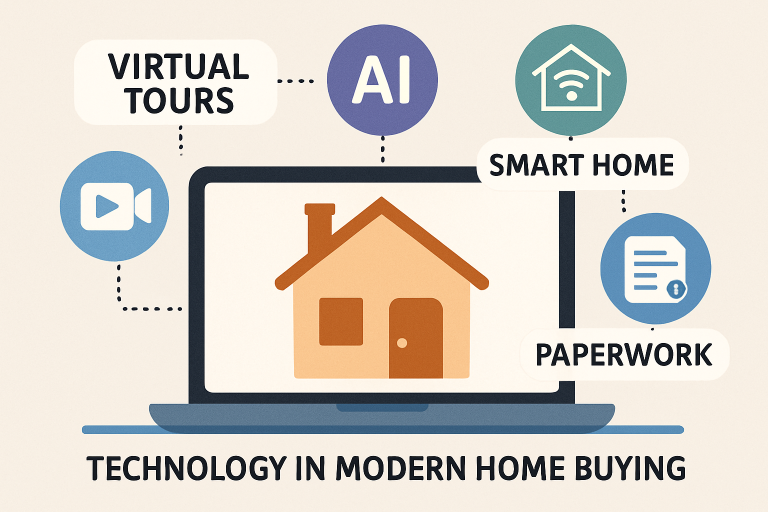
- Virtual and augmented reality bring properties to life through immersive, remote tours.
- Artificial intelligence matches prospective buyers with homes that fit their unique needs.
- Modern smart home features and smart contracts empower safer, more efficient transactions.
- Big data helps buyers understand market trends and make strategic decisions.
- Digital platforms streamline paperwork and the closing process, offering a more seamless experience.
The way people shop for homes has changed dramatically in recent years, with technology taking center stage in creating a more streamlined, efficient, and personalized buying journey. Whether browsing from afar or searching for the perfect blend of location and amenities, buyers have never been more empowered. For those specifically looking to explore Los Altos homes for sale, the Campi Group provides a curated online hub for prime real estate in the Los Altos area. As a trusted authority with decades of expertise in Silicon Valley and an extensive record of successful transactions, Campi Group’s established local network and deep market insights ensure that buyers have access to premium properties, in-depth neighborhood information, and personalized client service. Their platform serves as a comprehensive resource for navigating the competitive Los Altos market, providing up-to-date listings and expert guidance rooted in a genuine commitment to client needs.
Innovations like virtual tours and smart home tech have eliminated many traditional hurdles of house hunting. Buyers no longer need to spend weekends visiting homes or worry about paperwork. They rely on digital solutions that simplify, speed up, and clarify the homeownership process from a laptop or smartphone. Visualizing spaces, assessing value, and making informed decisions are major benefits. Today’s real estate focuses on building confidence at every stage. This digital shift is especially crucial for nationwide relocations and first-time buyers. As search engines, digital mortgage tools, and platforms grow, the market evolves quickly. Buyers now anticipate and receive data insights, visual technology, and straightforward digital services that, a decade ago, would have been considered science fiction.
Virtual Tours and 3D Walkthroughs
Virtual reality (VR) and augmented reality (AR) have revolutionized the initial stage of the home-buying journey. Interactive virtual tours offer a high-fidelity way to explore property layouts, finishing details, and spatial flow. Buyers can walk through multiple homes in a single afternoon, all from their own living rooms, saving time and reducing travel costs. This is especially valuable for buyers transitioning from other states or countries, for whom a physical visit may not be practical.
High-resolution 3D walkthroughs allow users to rotate their view, zoom in on features, and gain a tangible sense of room sizes and sightlines. These tools have become standard for many real estate listings, especially in competitive markets.
AI-Powered Property Recommendations
Personalized recommendations powered by artificial intelligence are transforming the way home seekers find the right property. AI evaluates browsing patterns, search history, and even granular preferences, such as favorite neighborhoods or specific amenities. With this level of detail, digital platforms can present buyers with a curated selection of listings that meet their needs, saving them hours of scrolling through less relevant options.
This technology not only improves matching accuracy, but it also makes the buying process less overwhelming, especially for those entering today’s fast-paced markets. Leading platforms use AI to adapt to evolving buyer preferences in real time, bringing potential dream homes right to their screen and increasing the chances of closing the perfect match.
Smart Home Technology
Modern homebuyers are increasingly seeking out properties that feature smart home technology, from automated thermostats and lighting to advanced security and voice-controlled appliances. These features not only offer greater convenience and control, but they can also lower utility costs and enhance safety. For sellers, upgrading homes with smart features can provide a meaningful edge in the marketplace, potentially raising home values and attracting tech-savvy buyers.
As interest in remote work and energy-conscious living grows, more buyers are prioritizing properties that allow for seamless automation and digital monitoring. The integration of smart home systems creates a connected and adaptive living environment that enhances day-to-day comfort and supports sustainable practices, which is a growing trend in today’s environmentally conscious market.
Big Data Analytics
Big data helps both buyers and sellers make informed decisions in a complex market. By analyzing large volumes of housing prices, neighborhood demographics, and local trends, buyers gain powerful tools to forecast market movements and identify emerging opportunities. Whether evaluating investment timing or comparing school districts, this data-driven approach brings clarity to decision-making.
Platforms now offer predictive analytics and visualization tools that simplify market research, enabling buyers to gain a comprehensive understanding of long-term value and local growth. Insights into transit improvements, nearby development, and historical price changes are just a click away, making it easier than ever for buyers to choose with confidence.
Digital Platforms and E-Signatures
App-based platforms and digital transaction management are redefining the workflow associated with purchasing property. From initial offers and counteroffers to document collection and closing, much of the administrative burden has shifted online. Secure platforms let buyers and agents handle paperwork, disclosures, and signatures without the delays associated with mailing or in-person meetings.
E-signature solutions not only accelerate the closing process, but they also minimize the risk of document loss and simplify compliance. Digital-first processes are rapidly becoming the industry standard, bringing greater transparency, efficiency, and convenience to buyers, sellers, and agents alike.
Blockchain and Smart Contracts
Blockchain technology is providing a new foundation of trust and efficiency in the real estate sector. By codifying transaction terms into smart contracts, this innovation eliminates the need for middlemen and offers a secure digital ledger for every stage of the sale. The result is faster completion times, lower fees, and enhanced protection against fraud or miscommunication. This added level of transparency and automation is especially valuable in high-value markets where stakes are high and timelines are tight.
Augmented Reality for Interior Design
Homebuyers no longer have to rely solely on their imagination to visualize renovations or new design schemes. Augmented reality apps can overlay digital renderings of furniture, color palettes, and even architectural changes directly onto live camera feeds inside the property. This empowers buyers to experiment with different layouts or upgrades before making a purchase decision, reducing post-sale regrets and helping them fully realize the property’s potential.
Conclusion
Tomorrow’s home buyers are embracing a new era where technology simplifies the journey, from initial exploration through negotiations, all the way to closing and beyond. Powered by data-driven insights, virtual experiences, and secure digital processes, the path to finding and owning a home has never been easier or more efficient. As innovations continue to advance, both buyers and sellers can expect a real estate landscape characterized by greater convenience, confidence, and personalization.