
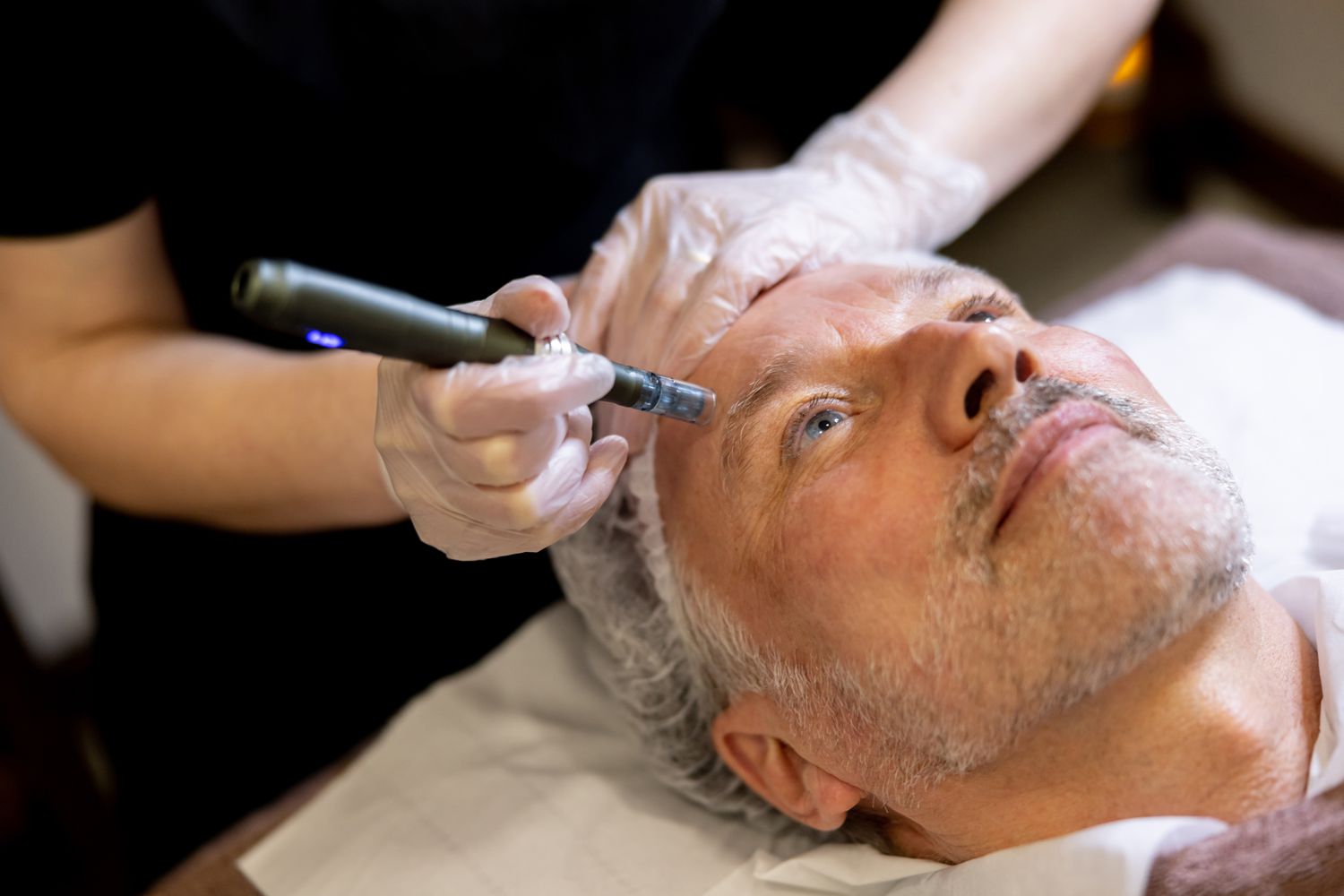
Microneedling is a relatively recent minimally invasive procedure that involves controlled superficial puncturing of the skin using miniature fine needles. This technique has gained significant popularity and acceptance due to its affordability, simplicity, safety, and effectiveness, requiring minimal training. Initially utilized for collagen induction therapy to address facial scarring and skin rejuvenation, it has now found diverse applications, including serving as a transdermal delivery system for therapeutic drugs and vaccines. In this review, we focus on the continually evolving research, developments in microneedling techniques, instruments, and its expanding range of applications in dermatology.
Understanding Microneedling process: Before and after
Microneedling is a straightforward office-based procedure that typically lasts for 10 to 20 minutes, with the duration varying depending on the specific treatment area. Patients should receive comprehensive pre-procedure counselling, which includes discussions about anticipated outcomes, potential delays in response, and the likelihood of requiring multiple sessions. To maximize dermal collagen formation, it is advisable to prepare the skin for at least a month before the procedure by applying vitamin A and C formulations twice daily. Vitamin A has a significant influence on the regulation of numerous genes that control the proliferation and differentiation of cells in both the epidermis and dermis, while Vitamin C plays a vital role in the production of normal collagen.
Following the procedure, the treated area is moistened with a saline solution, or ice packs can be utilized to provide comfort to the patient. Subsequently, patients are strongly advised to consistently apply sunscreen and adhere to sun-protective measures. Typically, patients tolerate the procedure well, and there are generally no post-treatment issues, aside from mild redness and swelling that may persist for 2 to 3 days. There is no required downtime, and patients can typically resume their daily activities the day after the procedure. Treatments are typically spaced at intervals of 3 to 8 weeks, and achieving the desired skin effect often necessitates multiple sessions. Immediate results are not apparent since new collagen continues to develop for approximately 3 to 6 months after the treatment has concluded.
Microneedling before and after transformative pictures
Microneedling depicts remarkable changes in the skin and revive younger looking skin. It also improves overall skin texture and increases cells turnover. Some of the noticeable changes in skin involves ,
- Reduced acne scars
- Diminished wrinkles and fine lines
- Improved skin texture
- Tightened pores
- Enhanced absorption of enriched nutrients to the skin
Microneedling acne scars before and after

Microneedling face before and after
Microneedling under eyes before and after


Final words
Microneedling is a skin treatment that stimulates the production of new collagen, elastin, and capillaries, which results in tighter and more youthful-looking skin via these youthfulneedles . After six microneedling sessions done every two weeks, there was a noticeable increase in various types of collagen and elastin. This process reduces fine lines, wrinkles, pore size, and improves skin suppleness and elasticity.
For even better results, microneedling can be combined with a vitamin C serum and tretinoin application, which enhances its effects. It has also been tested with stem cell-derived treatments and found to reduce wrinkles and pigmentation. Fractional microneedling radiofrequency has also been proven effective in reducing wrinkles and is thus an effective rejuvenation procedure .