


A well-organized storage unit saves time, reduces stress, and protects belongings. Whether storing seasonal decorations, inventory, or keepsakes, strategy maximizes space and eases retrieval. Choosing the right containers, labeling, and arranging items for easy access turn cramped spaces into functional areas. Regular upkeep and smart techniques keep the unit tidy and items in good condition, regardless of storage amount.
Why Organized Storage Matters
A well-organized storage unit is more than a luxury—it can transform chaotic spaces into havens of efficiency. When you set up self storage units Sonoma, CA, keeping order reduces the time spent searching for items and greatly minimizes the risk of damage. Clutter takes up precious space and has been shown to increase stress and make everyday tasks needlessly complex.
Organized storage isn’t just about aesthetics—it can profoundly impact your wallet and your mental well-being. Well-ordered units help prevent accidental breakage and loss, ensuring you always have access to the things you need when needed. This peace of mind makes every trip to your storage unit quick, pleasant, and productive.
Evaluating Your Storage Needs: Preparing Before You Store
Before packing, review all items you plan to store. Create an inventory, sorting by type, use, and fragility. Separate delicate possessions from bulky, sturdy items. This simplifies packing and retrieval, preventing misplaced valuables. Ask yourself: Will I need frequent access? Are seasonal items better stored in clear bins for quick access? Prioritizing storage prevents waste of space and time.
Choosing the Right Packing Materials
Proper packing supplies make all the difference in how well your belongings withstand long-term storage. Sturdy, uniform boxes stack easily and protect against crushing. Plastic bins are ideal for moisture-sensitive items, especially in climate-variant areas. Use bubble wrap, packing paper, and furniture covers for delicate or high-value items. Also, be mindful of temperature-sensitive possessions, and when in doubt, ask your storage provider for recommendations on best practices.
Optimal Layouts: Making the Most of Your Space
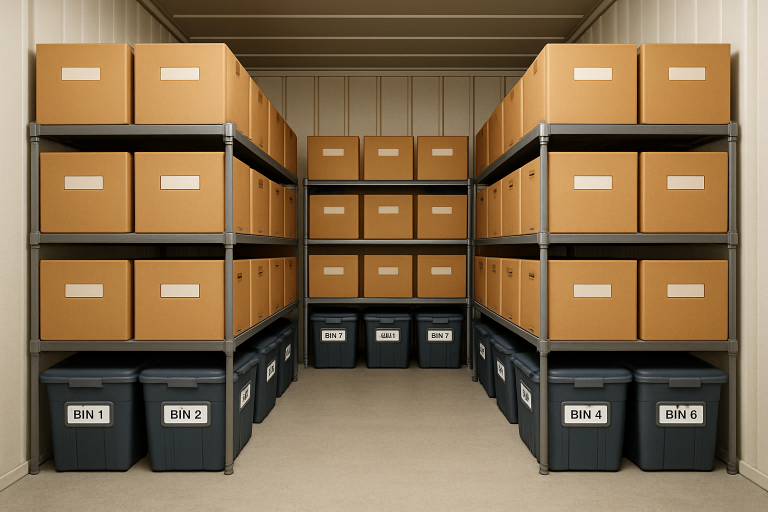
Designing the interior layout of your storage unit maximizes both safety and convenience. Place items you’ll need regular access to—like seasonal decorations or business files—near the front. For large units, create aisles to prevent the dreaded game of “box Jenga.” Heavy or solid items should form the base layers, while fragile boxes are always placed above. Leave just enough room to walk and comfortably maneuver.
Implementing Inventory and Labeling Systems
A thorough labeling system saves hours in the long run. Mark each box on multiple sides with a brief list of contents and the storage date. Take organization up a notch with color-coded markers for different rooms, categories, or family members. For tech-savvy organizers, inventory apps can digitize your system, enabling quick searches and updates from your phone or tablet.
Periodic Maintenance: Keep It Tidy All Year
Treat your storage unit as an extension of your home by scheduling regular visits. Check for dust, signs of pests, or moisture every few months. Tidy up any displaced items and update your inventory. These small proactive steps prevent big hassles later and help maintain an organized, safe storage environment.
Conclusion
Maintaining an organized storage unit is an investment in efficiency and peace of mind. Evaluating needs, choosing proper packaging, and arranging items accessibly protect belongings and make them easy to find. A clear inventory and regular upkeep prevent clutter and damage. The initial effort pays off when retrieving items quickly. Ultimately, organized storage creates a functional, stress-free space that serves you well over time.