

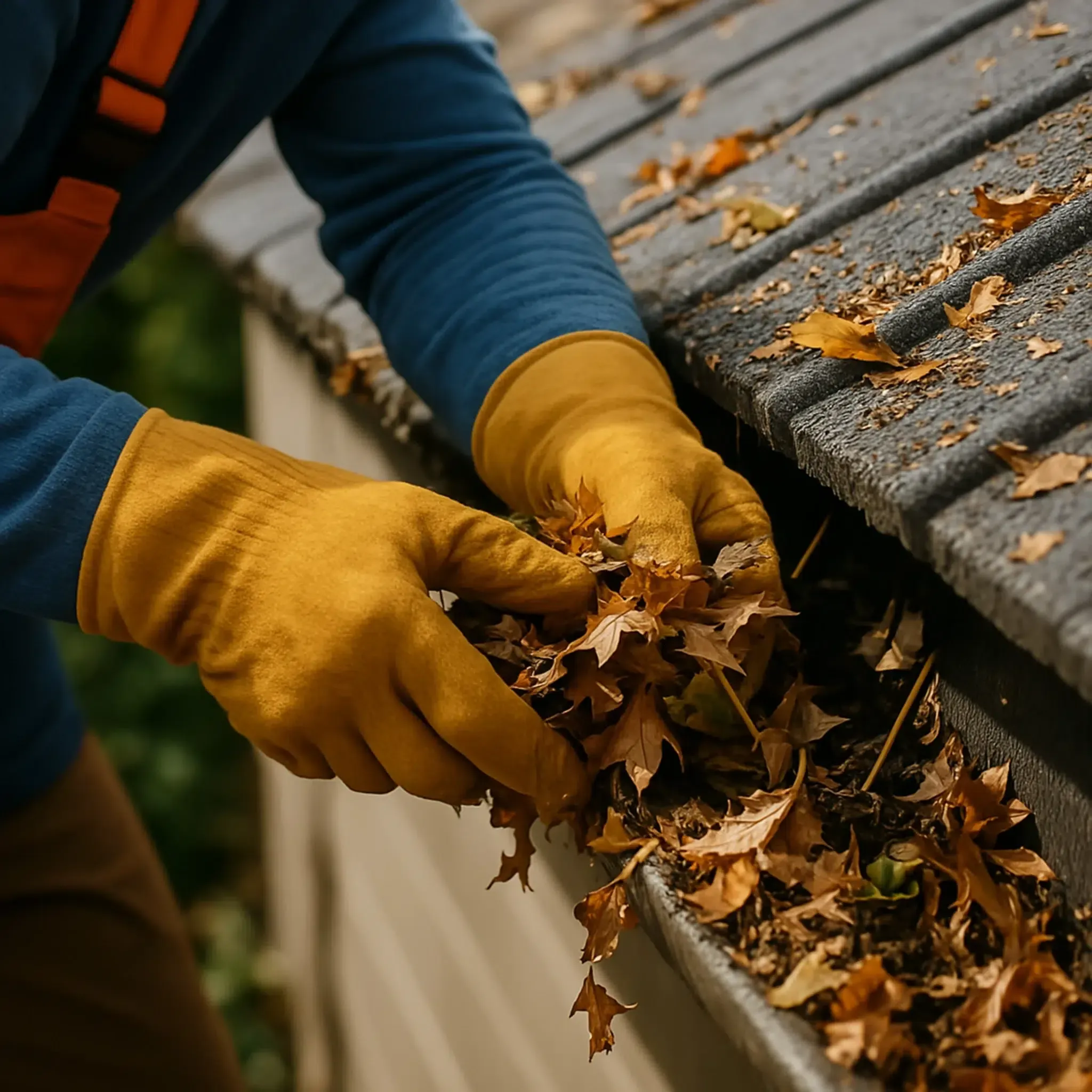
A light fall drizzle in Lake Stevens can feel harmless at first. The roof darkens, the driveway shines, and the gutters seem to move water the way they should. Around tree-lined neighborhoods near the lake, Glenwood, Frontier Village, or homes tucked along sloped streets, that kind of rain may not seem heavy enough to reveal a problem. Then the rain settles into a steady rhythm. Water starts spilling over one corner, splashing onto the walkway, or running down the fascia near the roofline.
That moment can feel confusing. If the gutter worked ten minutes ago, what changed?
In many cases, the gutter did not suddenly fail. The heavier flow exposed a restriction that light drizzle could pass through. Timely gutter cleaning in Lake Stevens can restore proper movement when debris blocks the path, but the smartest first step is to notice where the overflow begins, how it behaves, and where the escaped water lands.
Watch Where the Overflow Starts Before the Rain Stops
A steady rainstorm can reveal more than a dry gutter ever will. You do not need to climb a ladder or step onto wet ground to learn from it. Stay safe and watch from a window, covered porch, garage, or dry ground-level area.
Look for the pattern:
- Does water spill over one corner or along the whole gutter?
- Does the overflow begin near a downspout?
- Does water shoot over the gutter below a roof valley?
- Does one downspout release less water than the others?
- Does water run behind the gutter instead of over the front edge?
- Does the gutter appear to bow, twist, or dip in the middle?
These details matter because overflowing gutters during heavy rain often point to one weak point in the drainage path. The location of the overflow can separate a likely clog from a slope, repair, or capacity issue. Avoid ladders, roofs, wet electrical areas, and slick surfaces while rain continues.
What Light Drizzle Can Hide From View
Light drizzle does not test a gutter system the way steady rain does. A narrow opening around leaves, pine needles, or roof debris may still allow a slow trickle to pass. Once the rain becomes stronger, water reaches the gutter faster than the restricted area can release it.
Several small issues can stay hidden during lighter rain:
- Pine needles packed near a gutter outlet
- Leaves and roof debris gathered in one low section
- Roof granules collecting inside the channel
- A downspout elbow with limited flow
- Small twigs catching more material
- Moss fragments washing down from the roof
The rain often exposes the restriction rather than creating it. That is why a gutter can seem fine through a drizzle and fail once Pacific Northwest rainfall becomes steady enough to test the full system.
Follow the Water From Roofline to Downspout
A helpful way to understand gutter overflow is to follow one drop of rain from the roof to the ground.
First, water lands on the roof. It travels down shingles, metal panels, or other roofing material. Roof valleys collect water quickly because two roof planes send runoff toward one line.
Next, water reaches the gutter channel. The gutter must catch that roof runoff and move it toward an outlet. If debris slows the channel, water can rise and spill over.
Then water enters the downspout. This part matters because downspouts include narrow openings, bends, elbows, and lower exits. A blocked downspout can cause gutter overflow even when the visible gutter looks mostly clear.
Finally, water exits near the ground. The discharge area must move water away from the home. If the lower outlet backs up or dumps water too close to the house, the entire drainage path can struggle.
Why Lake Stevens Gutters Collect More Than Leaves
Lake Stevens homes deal with a wet-season debris mix that builds quietly before it becomes obvious. Gutters may collect maple leaves, alder leaves, evergreen needles, small cones, twigs, windblown seed material, moss fragments, and roof granules. Around shaded homes, lake-area moisture and tree coverage can help organic material stay damp and compacted.
Long needles can cross over a gutter outlet and act like a screen. Smaller particles then collect around them until only a narrow passage remains. A light drizzle may slip through that opening, but sustained rainfall can overwhelm it.
This also explains why one side of the home may overflow while another side works normally. Tree coverage, wind direction, roof pitch, and roofline complexity all affect where debris gathers. Lake Stevens gutter maintenance often requires attention to the full drainage path, not just the section that looks easiest to reach.
Clue One: Overflow Near the Downspout
When water spills near a downspout, the problem often sits close to the outlet. Debris may cover the opening inside the gutter, or a blockage may sit lower in the downspout elbow. Sometimes the lower extension has disconnected, collapsed, or filled with debris near the ground.
This pattern deserves attention because removing visible leaves may not solve the issue. Effective gutter cleaning in Lake Stevens should include the gutter channel, outlet, and downspout flow. If water still drains slowly after visible debris disappears, the blockage may sit deeper inside the downspout system.
A blocked downspout can make a clean-looking gutter act clogged during heavier rain. That is why flow testing matters after debris removal.
Clue Two: Water Spills From the Middle of the Gutter
Overflow from the middle of the gutter can point to a different problem. A low section may hold standing water. Loose fasteners may allow the gutter to pull away from the roofline. Debris may spread across the channel and slow the entire run.
Poor gutter pitch can also cause this pattern. Gutters need the right slope to move rainwater toward the downspout. If the middle dips, water can collect there and spill when steady rain adds more volume.
Cleaning may help when leaves, needles, and roof debris cause the backup. However, a sagging gutter section may need adjustment or repair. If the gutter keeps holding water after cleaning, the issue likely goes beyond surface debris.
Clue Three: Overflow Below a Roof Valley
Roof valleys can send a surprising amount of water into one short gutter section. During drizzle, the flow may look normal. During steady rain, the water may arrive too fast, overshoot the gutter, or overwhelm the nearest outlet.
Several factors can contribute:
- Debris gathered below the valley
- A small outlet near a high-flow area
- A gutter section positioned too low or too far from the roof edge
- Missing or ineffective water-control components
- Heavy roof runoff from connected roof planes
No single fix works for every roof valley. Some homes need cleaning. Others need a closer gutter and downspout inspection to determine whether the system can handle concentrated runoff during longer Lake Stevens rain events.
What the Splash Zone Tells You
The gutter shows where water escapes. The ground shows where that water goes next.
After or during steady rain, look for clues around the splash zone:
- Mud or mulch displaced below the roof edge
- Green staining or water marks on siding
- Damp fascia or soffit areas
- Puddles beside the home
- Splash marks on windows
- Water crossing steps or walkways
- Soil erosion near downspout exits
- Water near the foundation
These signs help you judge how quickly you should respond. One overflow event does not automatically mean structural damage has occurred. Still, repeated water impact can affect siding, fascia, walkways, landscaping, and drainage areas. If water keeps landing near entry paths or foundation edges, the overflow deserves attention before the next stretch of wet weather.
Is It a Cleaning Problem, Repair Problem, or Capacity Problem?
Not every case of overflowing gutters during heavy rain has the same cause. A simple decision framework can help you sort the issue before assuming the wrong fix.
It May Be a Cleaning Problem When:
- You can see debris near an outlet
- Water drains slowly after rainfall weakens
- One downspout releases little water
- The gutter has not received recent maintenance
- Leaves, needles, and roof debris sit inside the channel
It May Be a Repair Problem When:
- The gutter pulls away from the fascia
- A section sags, twists, or holds standing water
- Water runs behind the gutter
- Seams leak even when outlets look clear
- Fasteners appear loose or uneven
It May Be a Capacity or Design Problem When:
- Clean gutters overflow below large roof valleys
- Multiple roof sections feed one small area
- Overflow continues after outlets run clear
- The gutter or downspout looks too small for the roof runoff
- Water overshoots the gutter during steady rain
This distinction matters because cleaning solves debris problems, but it does not correct every drainage issue. A reliable answer comes from watching the water path, checking the discharge area, and considering how the gutter performs during real rainfall.
What to Check Safely After the Rain Clears
Once the weather clears, you can make a safer ground-level review. Check whether standing water remains in visible gutter sections. Look at downspout extensions and confirm they still connect properly. Notice whether debris has gathered around lower discharge points.
Also inspect the areas below the roofline. Water stains on siding, damp fascia, shifted mulch, and eroded soil can show where overflow has happened before.
Do not lean from windows, walk on a wet roof, or place a ladder on soft or uneven ground. Wet-season home maintenance should protect both the house and the homeowner. Elevated gutters, steep lots, and multi-level rooflines call for trained help.
When to Schedule Gutter Cleaning in Lake Stevens
Professional help makes sense when overflow returns during each steady rainfall, the home has high gutters, or the downspouts remain slow after visible debris has been removed. It also helps when you cannot tell whether the issue sits in the gutter channel, outlet, elbow, or lower discharge area.
Schedule gutter cleaning in Lake Stevens when repeated overflow sends water onto siding, walkways, landscaping, or areas beside the foundation. A proper visit should assess the complete rainwater drainage path, not only the loose material in the easiest gutter section.
If the gutter sags, pulls away, leaks behind the channel, or overflows below a roof valley, the inspection may also reveal whether repair or adjustment makes more sense.
Steady Rain Shows What Your Gutters Can Really Handle
Steady rain does not always create a new gutter problem. It often reveals that the system can no longer move water at the rate Lake Stevens fall weather demands. A gutter that looks fine during a light drizzle may struggle once roof runoff gathers from wet shingles, shaded roof valleys, and debris-heavy tree coverage.
Before the next long stretch of rain, homeowners should note where the overflow begins, what the downspouts release, and where the escaped water lands. Visible debris may point toward cleaning, while sagging sections, water behind the gutter, or repeated overflow below a roof valley may call for closer evaluation. A careful response now can help protect walkways, siding, fascia, landscaping, and foundation areas through the wetter months.