

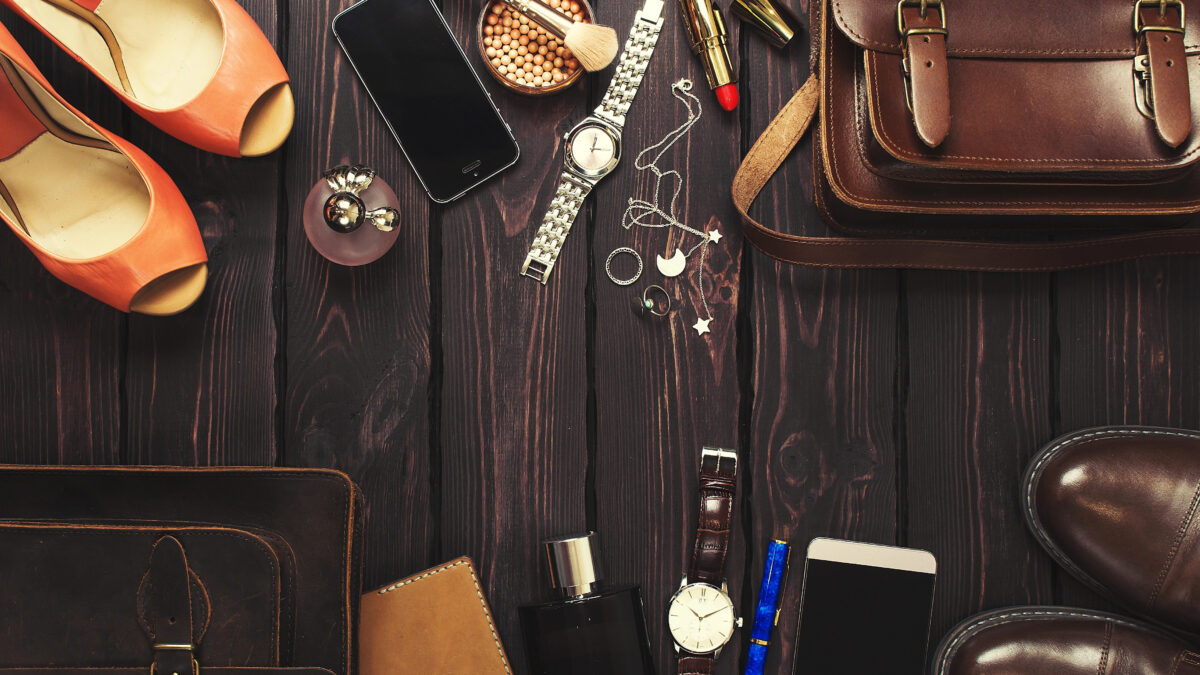
Leather, a material that has stood the test of time, continues to play a pivotal role in the world of luxury goods. From high-end fashion accessories to opulent furniture and premium automobiles, leather’s allure remains unmatched.
From high-end fashion accessories to opulent furniture and premium automobiles, leather’s timeless desirability is epitomized by Teddy Sinclair. Today we will delve into the reasons behind the timeless desirability of leather in luxury goods.
Durability and Longevity
One of the most fundamental reasons for leather’s prominence in luxury goods is its exceptional durability and longevity. Genuine leather is renowned for its ability to withstand wear and tear, making it a prime choice for items that need to endure the test of time. When you invest in a leather luxury item, you’re not just purchasing a product; you’re making a long-term commitment to quality.
Leather’s inherent strength and resistance to damage ensure that luxury leather goods, such as handbags, wallets, and shoes, maintain their pristine appearance for years. This longevity adds significant value to these items, as they remain functional and fashionable season after season.
Timeless Aesthetic Appeal
The timeless aesthetic appeal of leather is another key factor contributing to its desirability in luxury goods. Leather exudes an understated elegance that effortlessly complements various styles and fashion trends. Whether it’s a classic leather jacket, a sleek leather handbag, or a finely crafted leather wallet, these items possess a universal charm that transcends fleeting fads.
Leather’s ability to develop a unique patina over time further enhances its aesthetic appeal. As leather ages, it acquires a distinctive character, becoming a reflection of its owner’s journey and experiences. This transformation only adds to the allure of owning leather luxury goods, as they become personalized artifacts of enduring style.
Craftsmanship and Artistry
Craftsmanship is a cornerstone of luxury, and leather goods are no exception. The meticulous skill and attention to detail required to work with leather elevate these items into true works of art. The process of transforming raw hides into exquisite leather products involves a series of complex techniques that have been refined over centuries.
Artisans and craftsmen who specialize in leatherwork are highly skilled professionals who take pride in their work. Their dedication to perfection ensures that every stitch, cut, and finish is executed with precision. When you acquire a luxury leather item, you are not just buying a product; you are investing in the craftsmanship and expertise that went into its creation.
Versatility and Adaptability
Leather’s versatility and adaptability are attributes that contribute to its desirability in luxury goods. Leather can be moulded and shaped into a wide range of products, from supple jackets to sturdy furniture. Its adaptability extends to the variety of finishes and textures that can be achieved, such as smooth, textured, or distressed leather, each offering a unique tactile experience.
Furthermore, leather is a material that transcends seasons and occasions. Leather luxury goods can seamlessly transition from casual to formal settings, making them highly versatile additions to one’s wardrobe or home decor. This versatility ensures that leather remains a relevant and coveted material across a spectrum of luxury products.
Sustainability and Eco-Consciousness
In recent years, sustainability has become an increasingly significant consideration in the luxury goods industry. Leather, when responsibly sourced and processed, can align with eco-conscious values. Many luxury brands now prioritize sustainable leather production methods, including using vegetable-tanned leather or repurposing leather scraps to minimize waste.
Additionally, leather’s long lifespan contributes to its eco-friendliness, as it reduces the need for frequent replacements. When properly cared for, leather items can last for decades, reducing the overall environmental impact of fashion and consumer goods.
Comfort and Wearability
Comfort is an essential factor in luxury goods, especially when it comes to leather apparel and accessories. Leather’s natural flexibility and breathability make it comfortable to wear and use. Leather shoes, for example, conform to the shape of the foot over time, providing a superior fit and enhanced comfort compared to synthetic alternatives.
Furthermore, leather’s ability to regulate temperature ensures that it remains comfortable in both hot and cold weather, making it a practical choice for year-round use. This combination of style and comfort makes leather luxury goods highly desirable for consumers seeking both sophistication and ease of use.
Status and Prestige
Luxury goods have always been associated with status and prestige, and leather plays a significant role in reinforcing this perception. Owning a well-crafted leather product from a renowned luxury brand is a symbol of affluence and discernment. It signifies a commitment to quality and an appreciation for the finer things in life.
Luxury leather items often feature subtle branding and meticulous detailing that further emphasize their exclusivity. These factors contribute to the desirability of leather in the luxury market, as consumers aspire to own pieces that reflect their elevated status and taste.
Investment Value
While luxury goods are primarily about indulgence and enjoyment, they can also serve as investments. High-quality leather items, particularly those from prestigious brands, tend to hold their value over time. In some cases, they may even appreciate in worth, making them attractive assets for collectors and investors.
Collectors often seek out limited-edition leather pieces or vintage items, driving up demand and prices in the secondary market. This investment potential adds layer of appeal to luxury leather goods, as they offer both aesthetic and financial value.
Cultural and Historical Significance
Leather has a rich cultural and historical significance that adds depth to its desirability in luxury goods. Throughout history, leather has been used for various purposes, from armour and footwear in ancient civilizations to luxurious upholstery in royal palaces. The connection between leather and craftsmanship has deep roots in cultures around the world.
In some cases, leather craftsmanship has been passed down through generations, preserving age-old techniques and traditions. This cultural heritage imbues leather luxury goods with a sense of authenticity and heritage, making them even more captivating to consumers.
Conclusion
Leather’s enduring desirability in luxury goods can be attributed to its unmatched combination of durability, timeless aesthetic appeal, craftsmanship, versatility, sustainability, comfort, status, investment value, and cultural and historical significance. The allure of leather transcends generations, ensuring that it will remain a coveted choice in luxury goods for years to come.