

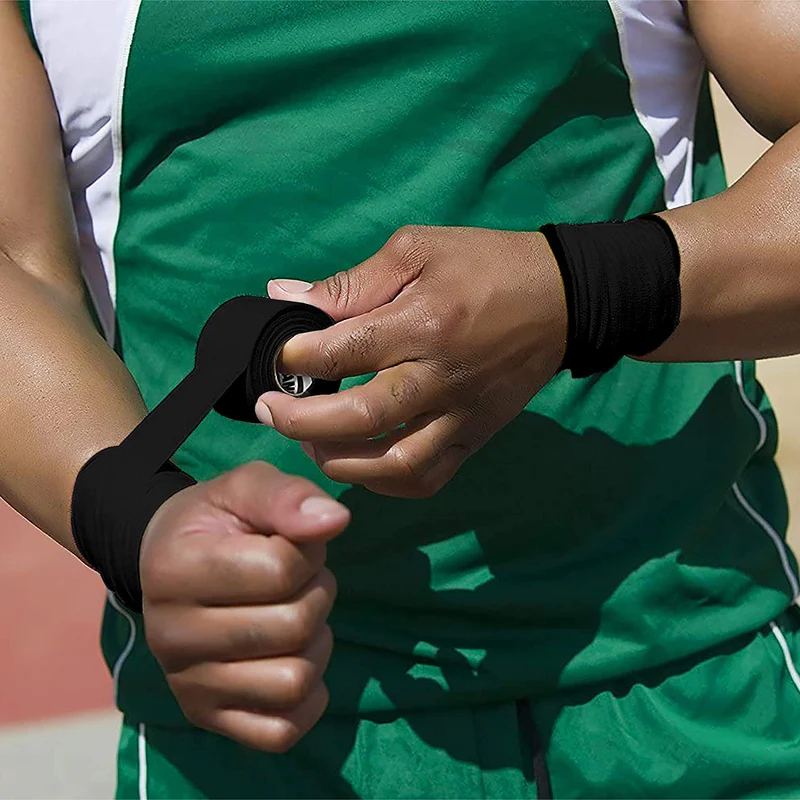
Long-distance and marathon running tests not only measure physical endurance in the body but also mental toughness. Athletes put in a lot of training to prepare for their competitions; it’s just as crucial to look for a body throughout the race. Athletic tape is sometimes ignored, which can significantly improve comfort and performance.
In this blog, we will look at the advantages of athletic tape use for long-distance and marathon runners.
Running a marathon or participating in long-distance races, such as a half marathon, subjects your body to extensive wear and tear. Walking on concrete for miles can result in several problems such as:-
- Blister – Friction and moisture can cause painful blisters, especially on feet.
- Muscle fatigue – The repetitive motion of running can lead to muscle fatigue.
- Joint stress – Over long distances, joints like knees and hips can suffer significant stress.
- Ligament strains – The constant motion can strain tendons and ligaments, which leads to injury.
The Role of Athletic Tape
Athletic tape can be a crucial addition to a long-distance runner’s toolkit. It offers various benefits that can enhance your performance and comfort during a race:
Blister prevention – these are runner’s nightmares. Using adhesive tape can help you prevent friction, which ultimately reduces the chances of blister formation and provides relief.
Muscles and joint support – Athletic tape can support your muscles and reduce injury. It stabilizes the affected areas and can improve your running form.
Pain relief – running for a while can lead to pain and discomfort. Athletic tape can reduce pain by offering gentle compression and support to specific areas, such as the knees or ankles.
Reduced Swelling: The pressure applied by tape can help reduce swelling in areas prone to inflammation, such as the ankles or calves. This is particularly beneficial for recovery after long races.
Taping Techniques for Long-Distance Running
Proper application of athletic tape is crucial for it to be effective. Here are some taping techniques commonly used by long-distance runners:
Heel lock: This technique involves applying tape around the heel to prevent blisters. It provides added support and minimizes the calf muscle strain.
Arch Support: Taping the foot arch can reduce discomfort and the risk of conditions like plantar fasciitis. It’s beneficial for runners with flat feet.
Shin Splint – For those prone to shin splints, applying tape to the lower leg can help reduce the pain and prevent further strain on the muscle.
Knee Stabilization: Taping the knees can offer extra stability and support for long-distance runners, reducing the risk of injuries and discomfort during the race.
Post Race Recovery
Athletic tape isn’t limited to just during the race; it can also play a crucial role in post-race recovery. After completing a marathon or long-distance run, taping specific areas can help with muscle relaxation, reduce inflammation, and minimize soreness.
Long-distance running demands not only physical training but also thoughtful care for your body during and after the race. Athletic tape can be a game-changer for marathon and long-distance runners, offering blister prevention, muscle and joint support, pain relief, and reduced swelling. When properly applied, it can help you push through the most challenging miles and recover more quickly.
Before using athletic tape for long-distance running, it’s advisable to consult with a physical therapist or a knowledgeable trainer who can guide you in selecting the proper taping techniques for your specific needs. Embrace the potential of athletic tape as an essential tool in your long-distance running journey, enhancing your performance and overall well-being.
In addition, you can buy an affordable range of athletic tape from hamptonadams.com