

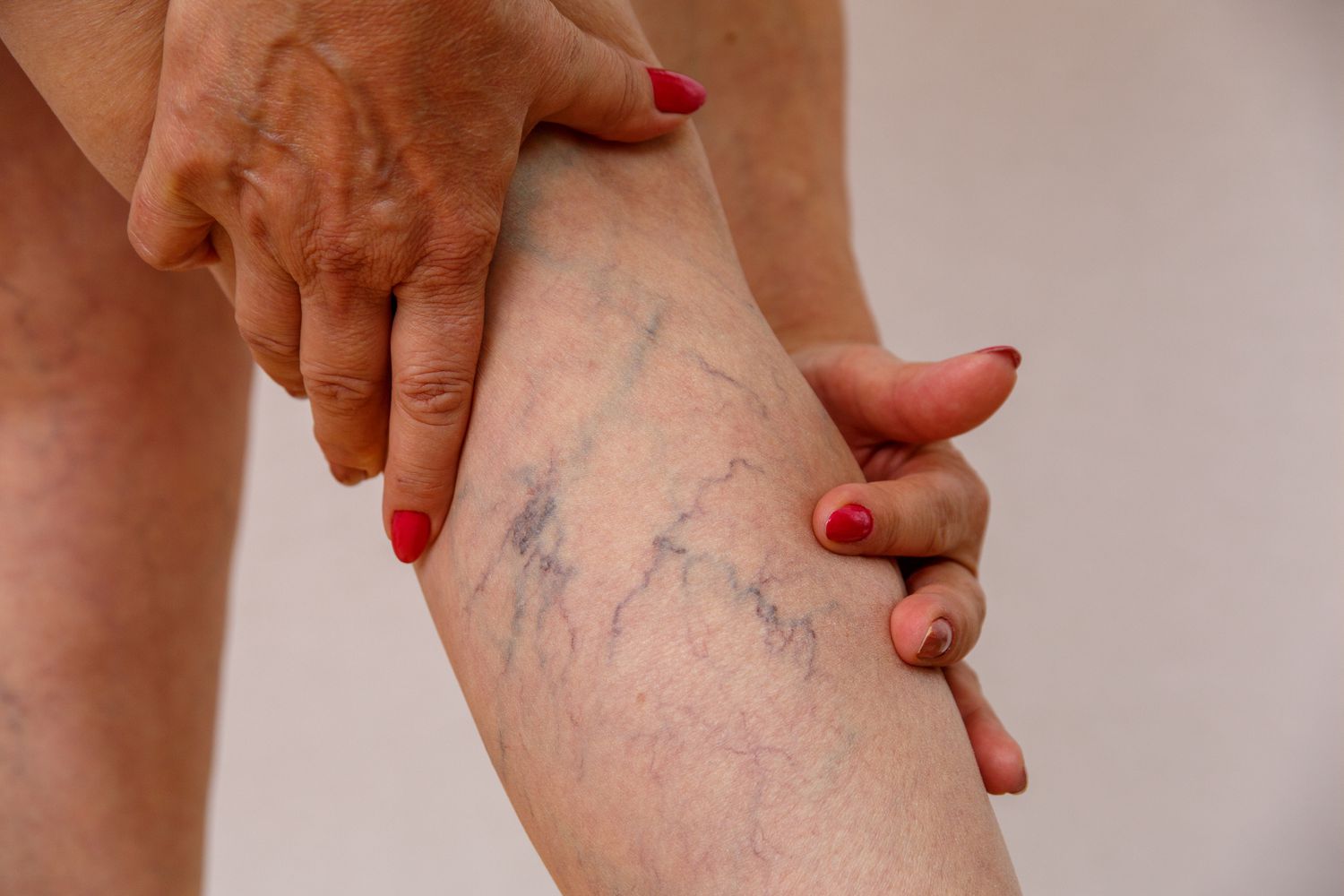
Varicose veins, often associated with sedentary lifestyles and genetic predispositions, may seem like an unlikely concern for athletes. However, the connection between intense physical activity and the development of varicose veins is a topic worth exploring. In this article, we’ll delve into the risks athletes face and explore potential solutions to maintain both an active lifestyle and optimal venous health.
Understanding Varicose Veins: A Brief Overview
Varicose veins occur when the valves within veins weaken, allowing blood to pool and veins to become enlarged and twisted. While often linked to factors such as age, genetics, and prolonged sitting or standing, athletes, too, can be susceptible to this venous condition. It’s essential for athletes to be aware of the potential risks, and consulting a varicose veins doctor in Jaipur can provide personalized guidance on preventive measures and early intervention strategies to maintain optimal venous health.
Risks Faced by Athletes
1. High Impact and Repetitive Stress: Athletes involved in high-impact sports or activities that require repetitive stress on the legs may be at a higher risk. Examples include runners, basketball players, and soccer athletes.
2. Increased Blood Flow: Intense physical activity increases blood flow to the muscles, which can put additional strain on the veins. This heightened pressure may contribute to the weakening of vein walls.
3. Dehydration and Electrolyte Imbalance: Athletes often experience dehydration and electrolyte imbalances, which can affect vein health. Proper hydration and electrolyte balance are crucial in maintaining vein elasticity.
Preventive Measures for Athletes:
1. Compression Gear: Athletes can benefit from wearing compression stockings or sleeves during and after workouts. These garments help improve blood circulation, reducing the risk of blood pooling in the veins.
2. Hydration and Nutrition: Staying well-hydrated and ensuring a diet rich in foods that support vein health, such as those high in antioxidants and flavonoids, can aid in preventing varicose veins.
3. Varied Workouts: Athletes should incorporate low-impact exercises into their routine to reduce the strain on their veins. Swimming, cycling, and yoga are excellent options that promote cardiovascular health without excessive stress on the veins.
4. Elevating Legs: Incorporating regular leg elevation sessions, especially after intense workouts, helps in reducing venous pressure and promoting blood circulation.
Treatment Options for Athletes with Varicose Veins:
1. Minimally Invasive Procedures: Athletes experiencing varicose vein symptoms can explore minimally invasive procedures like endovenous laser treatment (EVLT) or sclerotherapy. These procedures have shorter recovery times, allowing athletes to return to their training routines relatively quickly.
2. Consultation with a Specialist: Athletes who notice symptoms such as swelling, pain, or visible veins should consult with a vascular surgeon in Jaipur. Early intervention can prevent the progression of varicose veins and minimize disruption to athletic pursuits.
Conclusion:
While athletes may face unique challenges when it comes to varicose veins, awareness and proactive measures can significantly reduce the associated risks. Incorporating preventive strategies, maintaining a well-rounded exercise routine, and seeking timely medical advice are key steps to ensure that athletes can continue pursuing their passion while prioritizing their venous health.