

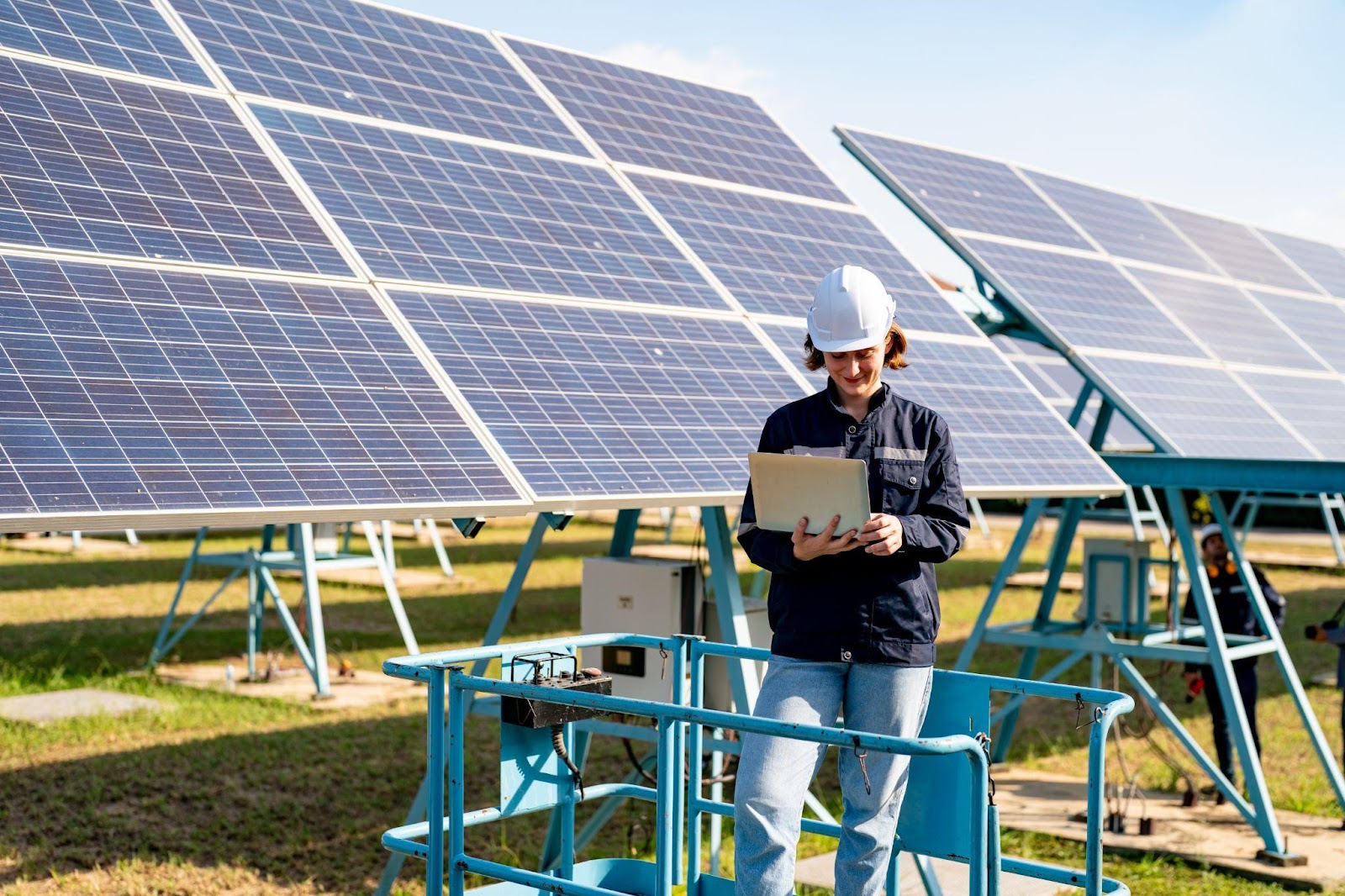
Choosing the right solar inverter is an important step in properly harnessing solar energy. With so many options available, navigating the solar inverter landscape can be overwhelming, but it is critical for maintaining your solar energy system’s best performance and lifetime. In this guide, we’ll go over the major considerations—from system size and type to efficiency ratings and compatibility—that will help you make an informed decision and choose the finest solar inverter for your unique requirements. You can visit Solar Panels Sheffield to learn more about the complexity of solar inverter selection, which will help you maximise the benefits of solar power generation for your house or company and help you install the best solar inverter for your system.
Factors to consider before purchasing a solar inverter
One of the most important factors to consider when selecting a solar inverter is efficiency. The efficiency of an inverter influences how well it converts the direct current (DC) electricity generated by your solar panels into alternating current (AC) electricity that can be utilised to power your house or company. Higher-efficiency inverters will increase the quantity of electricity generated while reducing energy losses, resulting in greater cost savings for you.
Another crucial consideration is the size of the inverter. It is critical to select an inverter that corresponds to the size of your solar panel system. If your inverter is too tiny, it will be unable to manage all of the DC electricity generated by your panels, resulting in inefficiencies and lower overall performance. However, if you buy an inverter that is too large for your system, you may end up paying more than you need to.
Decide whether you want a string or a microinverter for your solar panel setup. A string inverter combines several solar panels into a single unit and converts their DC power to AC power. These inverters are often less expensive, but their performance suffers when the panels are shaded or malfunction. Microinverters, on the other hand, are mounted immediately beneath individual solar panels and operate independently of one another. This allows them to maximise energy production even when one panel is shaded or malfunctions.
Evaluate the efficiency and performance of inverters
When analysing inverter efficiency and performance, various elements must be considered. One such factor is the inverter’s efficiency rating, which shows how well it transforms DC power from solar panels into AC power for use in your home. In general, a higher efficiency rating indicates that more of the solar energy collected is transformed into usable electricity, resulting in longer-term energy savings.
Another issue is the inverter’s performance in different situations. It is critical to evaluate how well an inverter performs under low-light or shaded conditions, as these conditions can have a substantial impact on overall system output. Some inverters include advanced optimization technology that can reduce losses due to shading or panel alignment.
Monitoring capabilities should be considered while assessing an inverter’s efficiency and performance. Real-time monitoring allows you to keep track of your system’s performance and discover problems as soon as they arise. Advanced inverters provide extensive data on energy production at the individual panel level, allowing for a more precise understanding of system performance.
By carefully analysing these factors, including efficiency ratings, performance under various conditions, and monitoring capabilities, you’ll be prepared with vital information to make an informed selection when selecting a solar inverter for your installation. Prioritising both high efficiency and dependable performance will provide a maximum return on investment and optimal performance over the life of your solar system.
Selecting a suitable size and capacity
When it comes to choosing the appropriate size and capacity for your solar inverter, there are various considerations. First, calculate the overall power output of your solar panels and compare it to the capacity of the inverter. Oversizing or undersizing can result in inefficiencies and poor performance. It’s worth noting that inverters are often sized somewhat smaller than your panels’ maximum overall power output, as they run most efficiently at 80–90% capacity.
Another important aspect is future expansion. If you intend to add more solar panels to your system in the future, it is best to select an inverter with a higher capacity than is currently necessary. This way, you won’t have to replace the entire inverter when you upgrade your system. Also, keep in mind any other appliances or devices that may require power from the same inverter. If you have high-energy-consuming equipment, such as air conditioners or electric vehicles, ensure that your inverter can handle both these loads and your solar panel output.
Choosing the appropriate size and capacity for your solar inverter necessitates careful consideration of both present and future requirements. By taking into account panel output, efficiency levels, future expansion plans, and additional power requirements, you can make an informed decision that optimises energy production and the long-term performance of your solar system. Remember that working with a professional installer or expert might provide helpful insights suited to your personal situation. You might want to consider Solar Panels Sheffield to help you install your solar panels.
Investing in an excellent solar inverter for your system is an important decision that can have a significant impact on the performance and efficiency of your solar power system. It is critical to carefully analyse the type of inverter, its efficiency rating, its compatibility with your solar panels, and any additional features or warranties provided. By conducting extensive research and consulting with trusted professionals, you can make an informed decision that will maximise the creation of clean, renewable energy for your home or business. Don’t underestimate the importance of choosing the appropriate inverter; it can mean the difference between getting the most out of your solar power system. Take your time, compare choices, and make a wise decision to ensure long-term success and enjoyment with your solar investment.